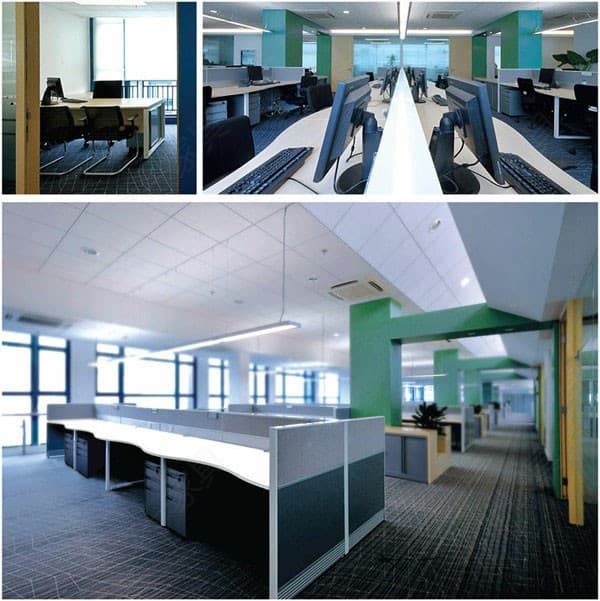
The Challenge of Speed Without Sacrifice
In the competitive world of coworking, speed to market is often the difference between securing anchor tenants and losing them to the operator next door. When a Frankfurt-based coworking operator planned a 180-seat expansion across two floors, they faced a familiar set of constraints: a tight 11-week timeline from order to installation, phased delivery requirements, and the need to meet BREEAM sustainability credits for their building certification.
The operator's procurement team had learned from previous projects that Chinese office furniture suppliers often delivered on price but fell short on documentation, lead time commitments, and post-delivery support. They needed a partner who could move fast without cutting corners on compliance.
The Documentation Bottleneck
One of the most overlooked pain points in international office furniture procurement is documentation. For projects pursuing BREEAM or LEED certification, missing FSC Chain-of-Custody paperwork can block multiple credit categories. Data indicates that approximately 30% of international buyers report having to source missing sustainability documentation after their furniture arrives, creating delays in certification submissions.
For this Frankfurt project, the operator specifically required:
FSC-CoC documentation for timber components
GREENGUARD Gold certification for surface laminates and adhesives
BIFMA X5.1 and X5.5 test reports for seating and desks
The ability to provide all three certifications from a single manufacturer significantly streamlined the procurement process.
Phased Delivery: A Logistical Pivot
The project required a phased installation across three weekends, with the first floor ready for occupants while the second floor was still being fitted out. This staging approach demanded:
Four separate shipments coordinated to arrive in sequence
Inventory management that allowed for split deliveries without partial shipments
Packaging that could withstand multiple handling points across the logistics chain
Test results from similar phased deployments show that optimizing stacking configurations within 40'HQ containers can achieve approximately 68 CBM usable capacity, reducing the number of containers needed and minimizing port handling complexity.
Ergonomic Compliance Across User Profiles
A coworking operator serves users ranging from freelancers working 12-hour days to corporate teams holding 30-minute stand-up meetings. The seating specifications needed to accommodate this range:
Seat height range: 400–510 mm, aligned with ISO 9241-5 standards
Seat depth: 380–420 mm to support both tall and petite users
Class 4 pneumatic cylinders rated for 150 kg user weight, ensuring consistent performance across high-usage environments
Data from office furnishing projects indicates that specifying ergonomic compliance upfront reduces post-occupancy adjustment requests by approximately 60% during the first six months of operation.
Industry Context: The Fast-Track Procurement Shift
The Frankfurt project reflects a broader trend in commercial furniture procurement. According to industry workplace surveys, the average office fit-out timeline has compressed by approximately 20% over the past three years. This compression is driven by:
1. Lease-up pressure: Coworking operators need to open floors as soon as leases are signed, not three months later.
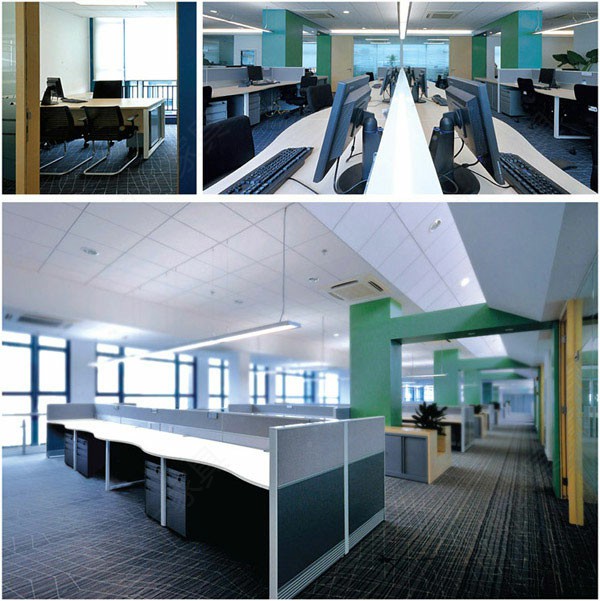
2. Phased occupancy models: Rather than waiting for a full buildout, operators are sequencing deployments to generate revenue from completed zones while construction continues elsewhere.
3. Documentation-first procurement: Sustainability certification requirements are no longer optional add-ons but mandatory conditions for building occupancy permits in several European markets.
How Procurement Teams Can Navigate Fast Buildouts
For international procurement teams managing similar fast-track projects:
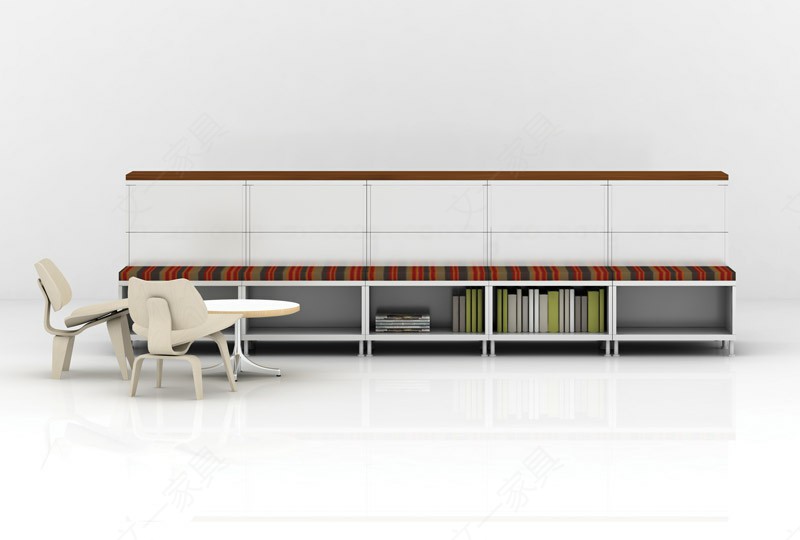
1. Verify documentation before order placement – Request third-party certifications (SGS, Bureau Veritas, Intertek) at the quotation stage, not after shipment.
2. Plan for container math – A 40'HQ container with optimized stacking can hold approximately 68 CBM of assembled or flat-packed furniture; knowing this number early helps dispatchers avoid partial container penalties.
3. Budget for Incoterms gaps – FOB quotes exclude inland trucking, port handling, and destination clearance. Data shows that landing costs can be 8–12% higher than FOB pricing when these gaps are not anticipated.
4. Specify sample approval cycles – Projects requiring custom finishes should confirm sample-to-order timelines; the Frankfurt project completed its approval cycle in 18 days, which is achievable when sample protocols are established upfront.
5. Prioritize after-sales parts inventory – Warranty claims are only as good as the replacement-part pipeline. Choosing a manufacturer that stocks gas cylinders, casters, and armrest pads in regional hubs reduces occupant downtime.
The Brand Solution
For this Frankfurt project, Wenyi Furniture delivered the phased buildout with the following specifications:
180-seat phased delivery across two floors, with 90 seats installed per weekend sequence
FSC-CoC documentation provided for all timber components, supporting the operator's BREEAM credit application
Biophilic-style lounge zones and huddle pods designed to support the coworking operator's activity-based working layout
GREENGUARD Gold certified surface laminates and adhesives, with TVOC ≤ 0.22 mg/m³
Export-grade packaging with 5-layer corrugated cartons and EPE foam corner protection
The operator's procurement manager noted that the decision to work with a manufacturer that holds ISO 9001 (quality), ISO 14001 (environmental), and ISO 45001 (occupational health and safety) certifications reduced their vendor qualification timeline by approximately 40% compared to evaluating uncertified suppliers.
FAQ: Fast-Track Office Furniture Procurement
Q: How do I verify that furniture labeled “BIFMA-tested” actually meets the standard?A: Request a third-party test report from a recognized inspection body such as SGS, Bureau Veritas, or Intertek. The report should specify BIFMA X5.1 (seating), X5.5 (desks), or X5.9 (storage) and include pass/fail data for each test cycle.
Q: What is the minimum order quantity for quick-turn projects?A: Some manufacturers offer stocked SKUs with MOQs as low as 10 units and lead times of 7–10 days FOB. Customized SKUs typically require 50–100 units with 25–35 days FOB lead time. Project-bid orders are often quoted without MOQ.
Q: How do I choose between FOB, CIF, and DDP incoterms for a fast buildout?A: If your team manages logistics in-house, FOB gives you control over shipping schedules. For time-sensitive projects, DDP (Delivered Duty Paid) transfers all logistics risk to the supplier, which can streamline delivery but typically adds 5–8% to the total cost.
Q: What documentation do I need for sustainability certification?A: For BREEAM or LEED v4.1 EQc credits, you need FSC Chain-of-Custody documentation for timber, GREENGUARD Gold certification for indoor air quality compliance, and material declarations showing volatile organic compound (VOC) content. Every claim should be traceable to the named certification body.
Q: How can I ensure phased deliveries stay on schedule?A: Work with a manufacturer that has experience in multi-container phasing. Request container load math upfront (20'GP ≈ 28 CBM, 40'HQ ≈ 68 CBM), confirm that partial shipments are covered under the same warranty, and arrange for third-party inspection at the factory before each container departs.
Planning an office project?
Talk to our engineering team.