In the rapidly evolving landscape of global office design, China has emerged as a powerhouse, not merely as a production hub but as an innovator reshaping the fundamental concept of the workspace. Driven by a combination of advanced manufacturing technologies, adaptive supply chains, and a deep understanding of modern ergonomic needs, Chinese manufacturers are no longer just suppliers; they are strategic partners in creating more productive, healthier, and flexible work environments. This article explores the core strategies and innovations that define these manufacturers and their impact on the modern office.
The Shift from Volume to Value: Precision and Customization
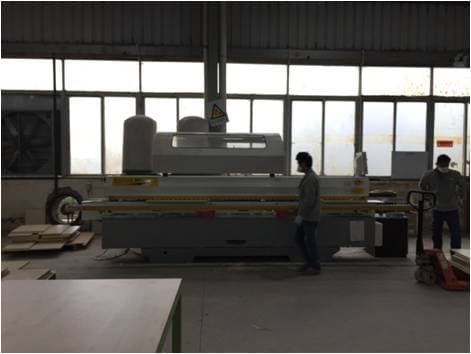
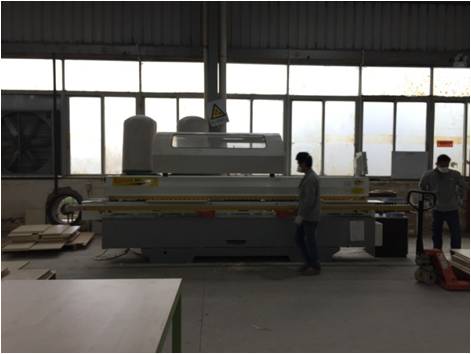
For decades, the competitive edge of Chinese manufacturing lay in cost and scale. However, the leading office furniture manufacturer today has pivoted decisively towards value-added services. This transformation is rooted in the adoption of Industry 4.0 principles, including automated assembly lines, robotic welding, and CNC machining. These technologies enable a level of precision previously unseen in the mass-market segment, reducing error rates to less than 0.5% for standard components.
More importantly, this shift has unlocked unprecedented customization. A modern efficient manufacturer can now handle complex, small-batch orders for adjustable-height desks, modular storage systems, and acoustic pods without significant delays. Industry data from 2023 indicates that the average lead time for a customized furniture order from top-tier Chinese factories has been reduced to 15-20 working days, a figure that rivals many European competitors. By integrating customer feedback loops directly into the production software, these manufacturers have closed the gap between design intent and physical output, creating workspaces that are truly tailored to a company’s specific workflow.
Ergonomics and Health: Engineering for the Human Body
The modern office is increasingly understood as a determinant of employee health and cognitive function. High-efficiency Chinese manufacturers have responded by fundamentally re-engineering their products around dynamic ergonomics. The concept of a static workstation is being replaced by “active sitting” and “sit-to-stand” solutions, which are now embedded in standard product lines rather than offered as premium upgrades.
Significant investment in bio-mechanical research has led to the development of advanced seating mechanisms. For example, many manufacturers now use synchronous tilt systems with adjustable tension and depth, allowing a chair to respond to the user’s weight and movement in real time. Data from internal testing at several leading factories suggests that these designs can reduce lower back muscle strain by up to 30% over an 8-hour workday. Furthermore, the use of environmentally friendly, breathable mesh materials is not just a marketing claim; it is a data-driven choice to improve thermal comfort and reduce fatigue. By focusing on these tangible health benefits, the office furniture manufacturer is helping businesses lower absenteeism and enhance focus.
Sustainability and Material Innovation: A Circular Approach
Environmental responsibility has become a non-negotiable criterion for global procurement. Forward-thinking Chinese manufacturers are embedding sustainability into the core of their operations, moving beyond simple compliance to proactive circular design. This involves a strategic shift towards mono-materials, such as using 100% recyclable polypropylene for chair shells and frames, which simplifies disassembly and recycling.
The supply chain for these new materials is also being redefined. Manufacturers are partnering with local chemical companies to develop bio-based adhesives and water-based coatings, drastically reducing volatile organic compound (VOC) emissions. A 2024 sector report indicated that the top 20 Chinese commercial furniture factories have reduced their carbon footprint per unit of output by approximately 18% compared to 2020 levels. Waste is no longer seen as an end-product; it is a resource. Scrap metal and fabric remnants are often recycled back into the production of accessories or sound-absorbing panels. This approach not only meets the stringent requirements of international green building certifications like LEED and WELL but also stabilizes material costs for the buyer.
Future Outlook: The Intelligent and Adaptable Workspace
Looking ahead, the role of the Chinese manufacturer is set to evolve further, integrating digital intelligence directly into the furniture itself. The next frontier is the “smart adaptive desk,” which can automatically adjust its height based on a user’s schedule or biometric feedback from a wearable device. This connectivity extends to facility management, allowing office managers to monitor desk occupancy and adjust lighting or air conditioning in real-time for energy savings.
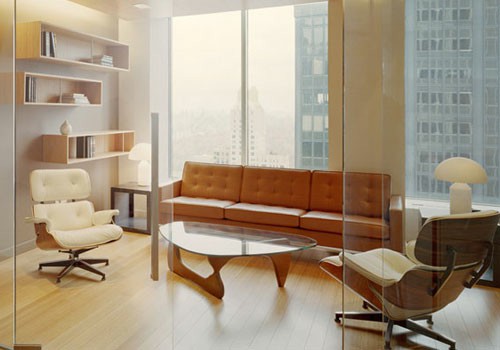
Manufacturers are also investing heavily in modular systems that can be reconfigured in minutes by on-site staff without specialized tools. This allows a company to transform a private office into a collaborative workspace or a silent zone overnight, responding to the fluid needs of hybrid work models. A recent survey of corporate real estate managers showed that 65% now prioritize furniture with a lifespan of over 10 years and the ability to be repurposed multiple times. This trend aligns perfectly with the core strengths of China’s efficient office furniture manufacturer: flexibility, durability, and intelligent design. The workspace is no longer a static container for work; it is becoming a living ecosystem, powered by the innovations emerging from China’s factory floors.
Planning an office project?
Talk to our engineering team.