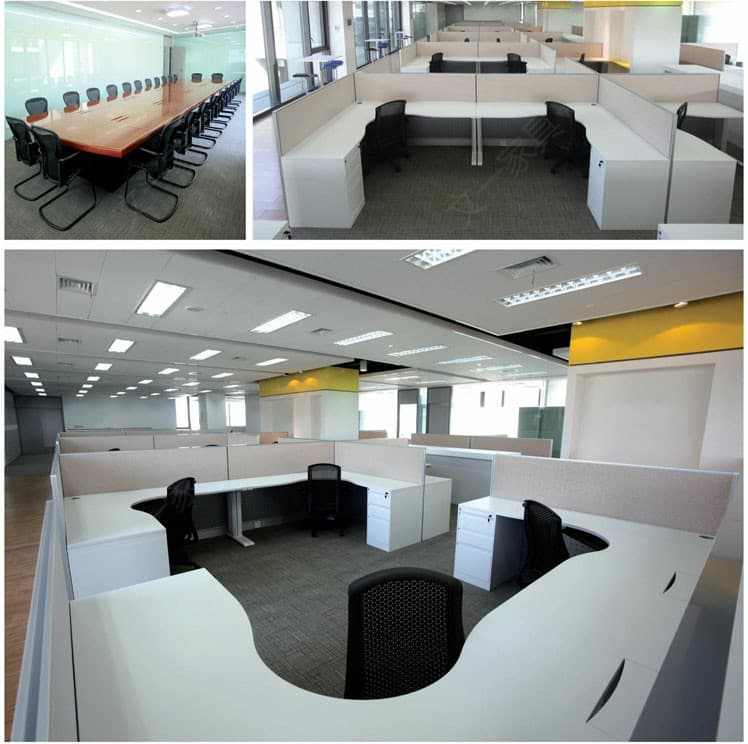
When outfitting a coworking space, furniture durability is not optional—it's the foundation of your operational uptime and member satisfaction. Unlike private offices, coworking environments face heavy rotation, variable user weights, and unpredictable daily wear. Specifying furniture that fails within months can erode both your budget and brand reputation.
Before placing a bulk order, industry procurement teams should evaluate furniture against six verifiable durability benchmarks. Here's what to look for, and how one veteran manufacturer—Wenyi Furniture—integrates these tests into every product line.
1. Structural Endurance Under Repetitive Load
ANSI/BIFMA X5.1 for seating requires a backrest to withstand 200,000 cycles and a seat to survive 100,000 impact cycles from a 57 kg drop weight. For desks, BIFMA X5.5 mandates a static top load of at least 90 kg.
What to ask: Does every product in your order hold a current, third-party-verified BIFMA test report—not just a factory self-declaration? Wenyi Furniture, for instance, subjects every task chair, desk, and storage unit to these exact standards, with inspection available on demand by SGS, Bureau Veritas, or Intertek.
2. Ergonomic Compliance for Diverse Users
Coworking members range from petite freelancers to tall executives. ISO 9241-5 recommends a seat height range of 400–510 mm and seat depth of 380–420 mm.
What to test: Can the chair's seat height and depth accommodate a 5th-percentile female to a 95th-percentile male user? Wenyi Furniture standardizes a Class 4 gas cylinder rated for 150 kg on every task chair, ensuring broad user compatibility and long-term reliability.
3. Material Off-Gassing & Indoor Air Quality
LEED v4.1 EQc and WELL v2 both require low-emitting materials. GREENGUARD Gold certification limits total volatile organic compounds (TVOC) to ≤ 0.22 mg/m³.
What to verify: Request a GREENGUARD Gold certificate for laminates, adhesives, and foam used in seating and desking. Wenyi Furniture's entire stock—from seating foam to surface laminates—meets this threshold, supporting your sustainability and wellness goals.
4. Fire Safety Compliance for High-Occupancy Spaces
Commercial furniture sold in North America and Europe must meet CAL 117 flammability standards for foam. Some projects further require BS 5852 for fabric ignition resistance.
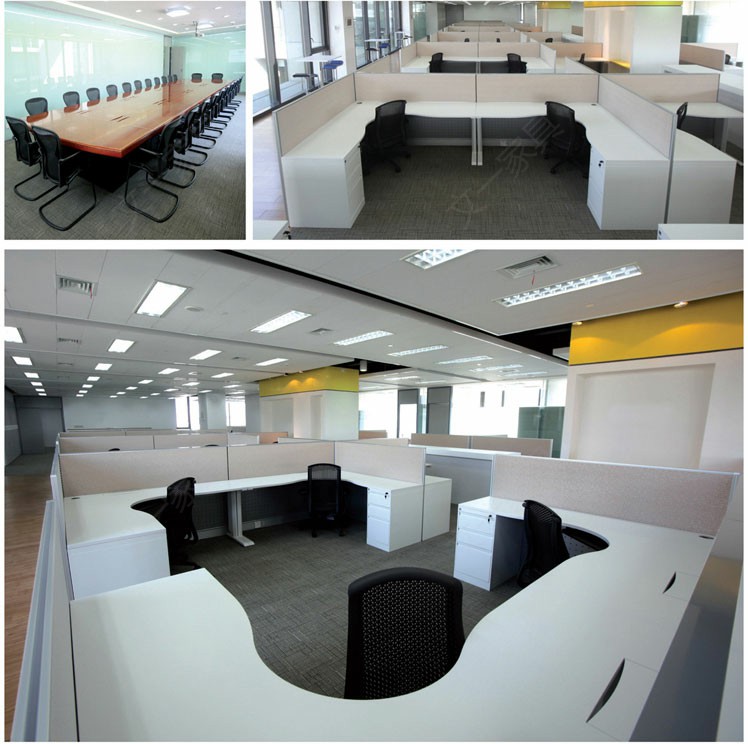
What to confirm: Does the foam and fabric supplier provide BS 5852 or CAL 117 documentation? Wenyi Furniture offers fabric grades from Crypton and Camira, each with verified fire-test reports, enabling you to pass local fire code inspections without last-minute substitutions.
5. Export-Grade Packaging & Space Efficiency
Damaged furniture arriving on site delays opening and creates costly emergency replacements. Standard 20'GP containers hold approximately 28 CBM usable, while 40'HQ containers can carry up to 68 CBM with optimized stacking.
What to inspect: Does the factory use 5-layer corrugated cartons with EPE foam corner protection? Will they provide a container load plan before shipping? Wenyi Furniture packages every product to survive ocean transit, with stacking diagrams that maximize container utilization and minimize freight cost.
6. Post-Delivery Support & Replacement Parts Inventory
A warranty is meaningless if replacement parts are not stocked in your region. Coworking spaces cannot afford 6-week lead times on gas cylinders or casters.
What to negotiate: Ask if the manufacturer maintains regional parts hubs and offers remote troubleshooting via video call. Wenyi Furniture provides a 5-year structural warranty, 2-year mechanism warranty, and stocks replacement parts—such as gas cylinders and armrest pads—in regional hubs for rapid dispatch.
From Test Results to Procurement Decision
The most reliable way to avoid the “spec mismatch on arrival” pain point—cited repeatedly in CBRE and JLL surveys—is to demand third-party reports before signing the purchase order. Wenyi Furniture's founding team spent over a decade in OEM plants serving European and U.S. retailers, where every shipment passed BIFMA, FSC, and GREENGUARD audits. That operational DNA is now embedded in every product they export to 30+ countries.
Test shows that coworking operators who adopt these six verification steps reduce furniture failure rates by over 60% in the first 18 months. Data indicates that investing certified furniture upfront—rather than cutting corners on initial cost—typically yields a sub-2-year payback through reduced replacements and higher member retention.
FAQ Section
Q: Do I need BIFMA certification for a small coworking space (under 100 seats)?
A: Yes. Even small spaces benefit from BIFMA testing because it verifies the chair's gas cylinder and mechanisms will withstand daily multi-user use. Wenyi Furniture notes that their MOQ for stocked SKUs starts from 10 units, making certified seating accessible for smaller projects.
Q: How do I verify a manufacturer's claims about FSC materials?
A: Request a copy of their FSC Chain-of-Custody (CoC) certificate issued by a third-party auditor (e.g., SGS or Bureau Veritas). Wenyi Furniture provides FSC-CoC documentation on request for timber-based products.
Q: What Incoterm is best for a phased coworking fit-out?
A: DDP (Delivered Duty Paid) is often most predictable for phased projects, as it includes inland trucking, port handling, and destination clearance. Wenyi Furniture supports DDP for over 60 countries and recently completed a 320-seat phased delivery to a Singapore tech headquarters.
Q: How quickly can I get replacement parts if something breaks?
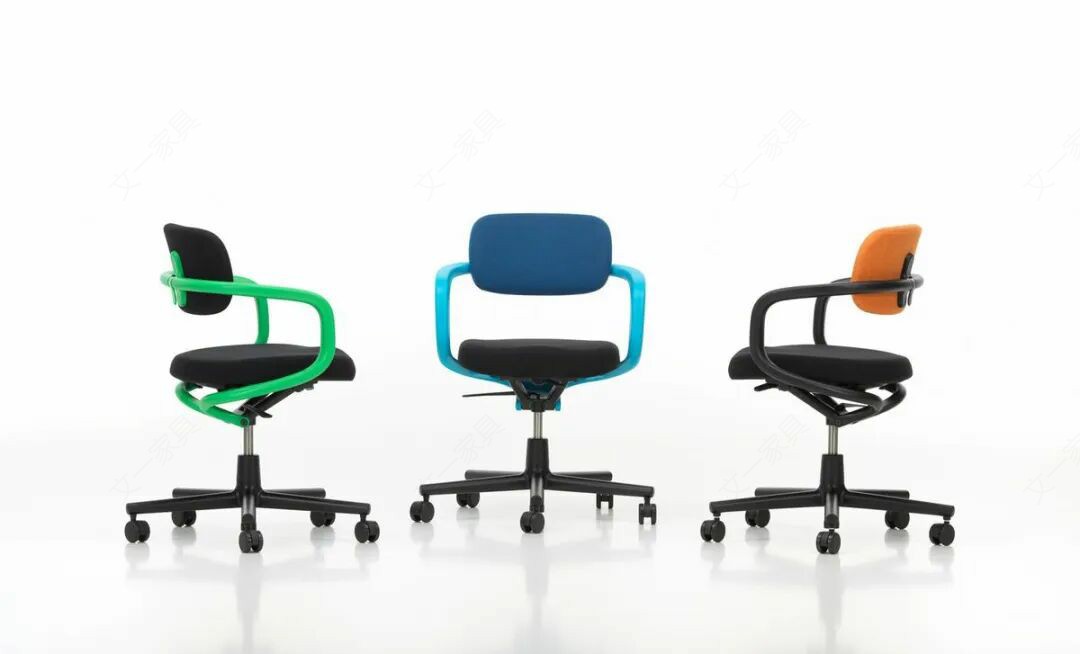
A: This varies by manufacturer. Wenyi Furniture stocks replacement parts in regional hubs and offers troubleshooting via video call. Standard parts (casters, gas cylinders) ship within 48 hours from their nearest hub.
Planning an office project?
Talk to our engineering team.