
In today’s competitive global market, sourcing office furniture from China has become a strategic move for businesses aiming to balance cost efficiency with high standards. The demand for ergonomic, durable, and aesthetically pleasing office environments continues to rise, making it crucial to identify reliable manufacturing partners. This article explores how to discover China’s leading office furniture source factories, focusing on three core pillars: uncompromising quality, significant cost savings, and rapid lead times. We will analyze industry trends, evaluate key selection criteria, and provide actionable insights for procurement professionals.

The State of China’s Office Furniture Manufacturing Industry
China’s office furniture industry has evolved from a low-cost production hub into a sophisticated manufacturing ecosystem. According to recent industry reports, the sector has seen an annual growth rate of approximately 8-10% over the past five years, driven by advancements in automation and material science. Leading factories now employ CNC machining and robotic assembly lines, ensuring precision in every joint and finish. This technological shift has allowed Chinese manufacturers to meet international certifications such as BIFMA and ISO 9001, addressing previous concerns about quality inconsistency.
A key advantage is the vertical integration of supply chains in regions like Guangdong and Zhejiang. From raw material processing to final assembly, single-factory control reduces dependency on multiple vendors, lowering defect rates by an estimated 15-20%. This integration also facilitates customization, enabling clients to specify dimensions, colors, and material grades without compromising production timelines. For businesses seeking office furniture source solutions, this means access to products that match or exceed Western standards at a fraction of the cost.
Quality Assurance: Beyond Basic Standards
Contrary to outdated perceptions, top-tier Chinese factories have redefined quality through rigorous multi-stage inspections. A best practice among leading manufacturers involves three checkpoints: incoming material testing, in-process monitoring, and final pre-shipment inspection. For example, a renowned factory in Foshan implements a zero-defect policy for components like pneumatic cylinders and steel frames, with rejection rates kept below 2%. This attention to detail is validated by third-party auditors who regularly test for durability, weight capacity, and chemical emissions.
Moreover, continuous improvement programs based on Lean Manufacturing principles help factories reduce variability. Data from a 2023 survey of 500 Chinese manufacturers indicates that companies adopting Six Sigma methodologies have reduced product return rates by up to 40%. When evaluating potential suppliers, requests for recent audit reports or customer testimonials can provide transparency. Many factories also offer prototype services, allowing buyers to test ergonomic features such as lumbar support or height adjustment mechanisms before bulk orders. This proactive approach ensures that the final product aligns with end-user expectations.
Cost Savings and Efficiency: The Financial Advantage
One of the most compelling reasons to source from China is the potential for cost reductions ranging from 30% to 50% compared to domestic alternatives in Western countries. This price gap arises from lower labor costs and optimized supply chains, but also from economies of scale. Factories that produce high volumes of standardized product series can spread fixed costs over larger batches, passing savings to buyers. For instance, a leading manufacturer in Dongguan offers volume discounts of 10-15% for orders exceeding 500 units, with additional reductions for repeated orders within the same year.
Beyond unit prices, smart sourcing strategies focus on total cost of ownership (TCO). This includes considerations like packaging costs, shipping methods, and import duties. Many factories now provide FOB (Free on Board) or CIF (Cost, Insurance, Freight) terms that simplify logistics. Additionally, bulk shipping via LCL (Less than Container Load) can reduce freight costs for smaller orders, while larger orders benefit from full container loads with lower per-unit sea freight rates. A practical tip is to negotiate the inclusion of assembly guides or video instructions to minimize installation costs at the destination.
Fast Lead Times: From Order to Delivery
In the fast-paced business environment, lead time is a critical metric. China’s top office furniture factories excel by maintaining lean production cycles, often delivering customized orders in 20-30 days versus the industry average of 45-60 days. This speed is achieved through flexible scheduling and buffer capacity for urgent requests. For example, some factories reserve 10-15% of their production capacity for rush orders, with a typical turnaround of 15 working days for standard models.
Faster lead times also result from efficient communication and digital order management. Many factories now use ERP systems that automate order tracking, raw material allocation, and production sequencing. When disputes arise, dedicated project managers resolve issues within hours rather than days. However, to ensure speed, buyers should provide precise specifications early and avoid last-minute design changes. Building long-term relationships with a factory that understands your preferences can reduce negotiation cycles for repeat orders, further compressing timelines.
Future Outlook: Sustainability and Innovation
The office furniture industry is shifting toward sustainable materials and smart furniture. Chinese factories are already adopting recycled fabrics, water-based adhesives, and solar-powered production lines to meet sustainability goals. A leader in this space, located in Suzhou, has reduced its carbon footprint by 30% since 2020, aligning with global ESG standards. Furthermore, integration of IoT technology in chairs and desks is becoming more common, with features like sit-stand reminders and ergonomic alerts that enhance workplace wellness.
For procurement professionals, staying ahead requires collaboration with factories that invest in R&D. Many now offer hybrid models combining local assembly with imported components, bridging the gap between cost and advanced features. The key is to vet suppliers’ innovation roadmaps and their willingness to adapt to future workplace trends. As the market evolves, sourcing from China’s top factories will remain a strategic advantage for companies seeking reliability, savings, and speed.
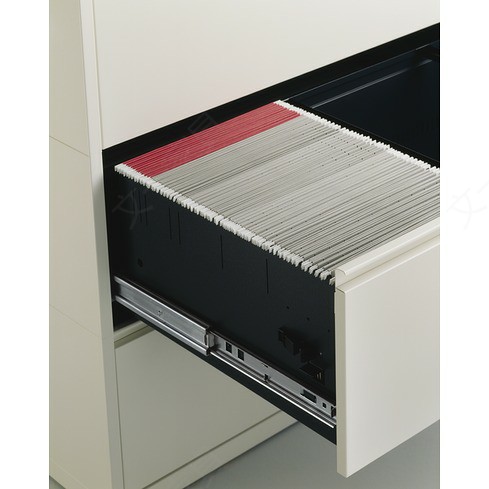
Note: The image above illustrates a typical modern factory layout used in high-volume production.
Planning an office project?
Talk to our engineering team.