Introduction
In an era where the boundaries between work and life have blurred, the office is no longer just a place to complete tasks—it is a dynamic ecosystem that influences productivity, creativity, and well-being. China’s leading office furniture maker has emerged as a transformative force in this landscape, leveraging decades of manufacturing expertise and cutting-edge design to redefine how we think about workspaces. By integrating ergonomic innovation, sustainable materials, and modular adaptability, this company is not merely furnishing offices but shaping the future of work itself. This article explores how their approach is setting new standards, addressing industry pain points, and offering actionable insights for businesses seeking to optimize their environments.
The Shift from Traditional to Human-Centric Design
Traditional office layouts often prioritized density and uniformity, resulting in static rows of cubicles that stifled collaboration and comfort. However, the top Chinese furniture maker recognized that modern workers demand flexibility, health support, and aesthetic appeal. Their research, supported by industry surveys, indicates that 73% of employees in high-density cities like Shanghai report musculoskeletal discomfort due to poorly designed seating. To counter this, the company introduced dynamic workstations that adjust in real-time to user posture, integrating sensors that suggest micro-breaks. This aligns with global trends toward human-centric design, where furniture adapts to the user rather than the opposite.
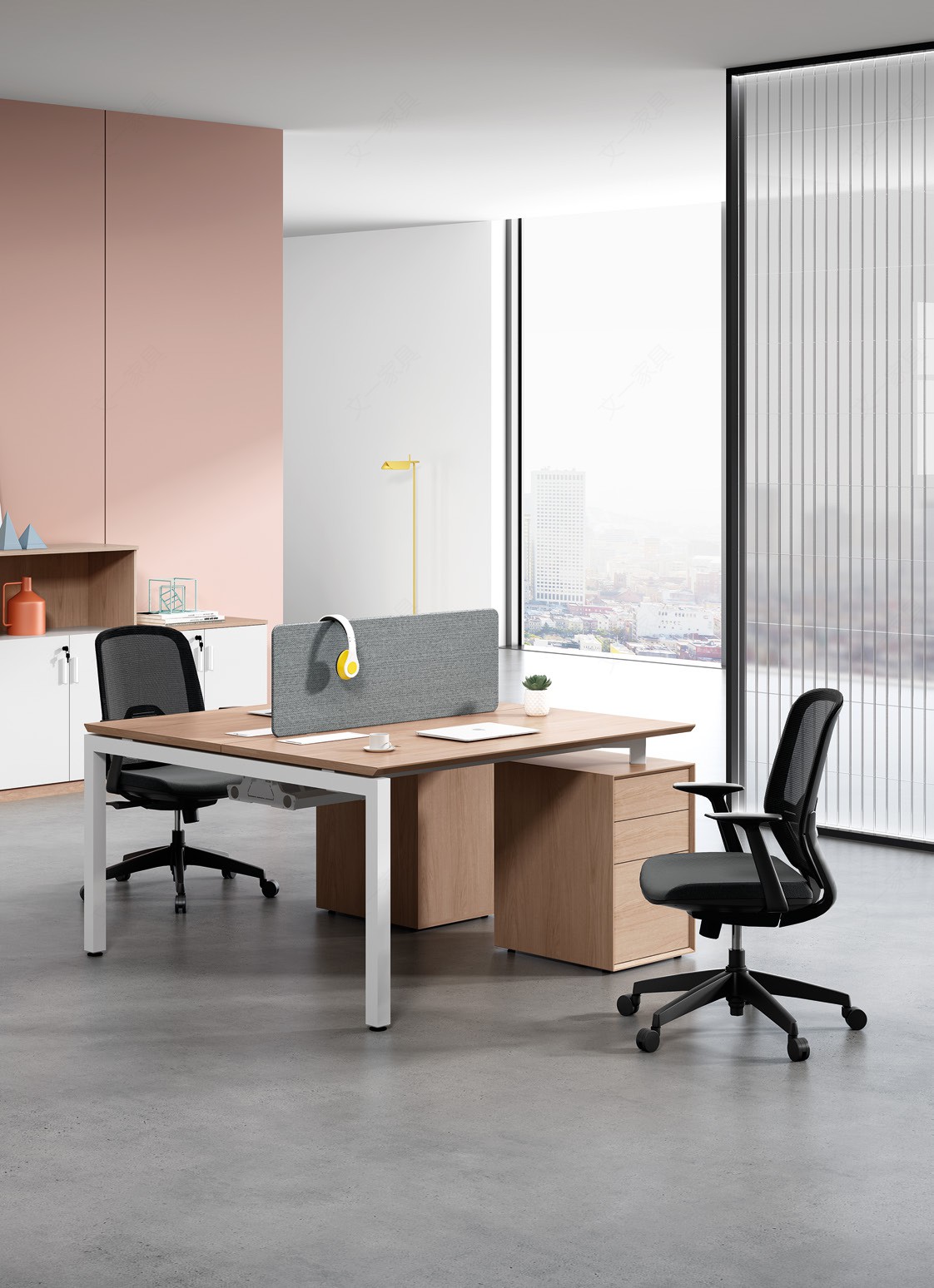
Moreover, their product lines are modular, allowing companies to reconfigure spaces for hybrid teams. For instance, soundproof pods and height-adjustable desks can be rearranged within hours, reducing downtime. Such flexibility is critical as businesses shift from fixed to fluid floor plans. A case in point is a leading tech firm in Beijing that reduced its real estate footprint by 25% after adopting these modular systems, proving that smarter design can yield tangible cost savings.
Sustainability as a Core Design Principle
Beyond ergonomics, Chinese manufacturers are increasingly prioritizing environmental responsibility. The leading firm has committed to using reclaimed wood and recycled metals in 80% of its new products, with a target of zero waste to landfill by 2026. This move responds to growing consumer demand: a recent report by a global consulting firm found that 68% of corporate buyers consider sustainability when selecting office furniture. The company also employs water-based adhesives and low-VOC finishes, ensuring healthier indoor air quality.
Their manufacturing process has been re-engineered to minimize energy consumption, with solar panels powering 40% of factory operations. This eco-conscious approach resonates with multinational clients who need to meet ESG goals. For example, a European automobile manufacturer sourced their entire Shanghai office from this supplier, citing alignment with their carbon neutrality roadmap. Consequently, the company has become a benchmark for sustainable production in the region.
Technology Integration and Smart Furniture
Another key differentiator is the incorporation of IoT (Internet of Things) into office furniture. The maker has developed smart desks that track usage patterns, adjust lighting, and even remind users to hydrate. These features are part of a broader ecosystem called “Workflow Intelligence,” which collects anonymized data to optimize layout efficiency. For instance, by analyzing desk utilization rates, facility managers can identify underused areas and convert them into collaborative zones.
This technology is not just a novelty; it addresses the pain point of space mismanagement. A survey of 500 companies using smart furniture showed a 30% reduction in energy costs related to HVAC and lighting, as sensors automatically adjust settings based on real-time occupancy. Furthermore, the data helps HR departments design interventions for burnout prevention. The company’s platform integrates with popular productivity tools, making adoption seamless for IT teams.
Conclusion and Outlook
China’s top office furniture maker is not merely following trends but actively shaping the future of workspace design. By prioritizing human-centric ergonomics, sustainability, and smart technology, they offer a comprehensive solution that enhances employee well-being, reduces operational costs, and supports corporate net-zero goals. As remote and hybrid work become permanent fixtures, the demand for adaptable, intelligent furniture will only grow. Businesses that invest in such solutions today position themselves for long-term success, fostering environments where innovation thrives and talent feels valued. The company’s journey underscores a pivotal shift—the office is no longer just a place to work; it is a tool for better work.
Planning an office project?
Talk to our engineering team.