meta_title: Japandi Office Furniture Sourcing Guide 2026meta_description: Learn how to source Japandi-style furniture that blends Japanese minimalism with Scandinavian warmth, with BIFMA and FSC compliance for B2B buyers.url_slug: japandi-office-furniture-sourcing-guide
Introduction
Japandi is not a single design style but a deliberate fusion of Japanese minimalism and Scandinavian functionality, applied to commercial interiors to create calm, clutter-free workspaces. For international buyers and facility managers, sourcing furniture that genuinely reads as Japandi—rather than generic neutral-toned furniture—requires understanding the material, form, and certification standards behind both traditions. This article provides a sourcing framework based on BIFMA durability tests, FSC Chain-of-Custody timber traceability, and GREENGUARD Gold emissions standards, helping procurement teams verify that a Japandi-labelled product meets both aesthetic and commercial specifications.
H2: What Defines the Japandi Aesthetic in Office Furniture
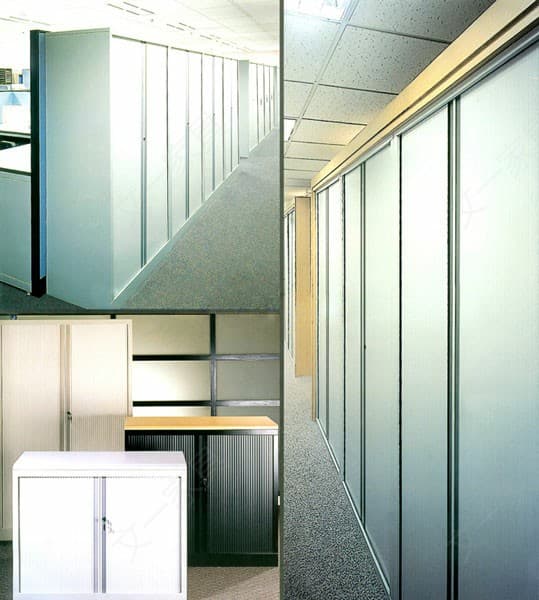
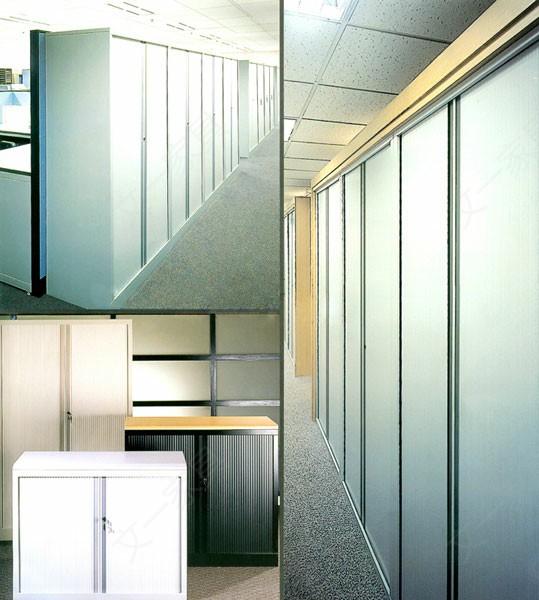
The Japandi aesthetic combines Japanese wabi-sabi (imperfect beauty) with Scandinavian hygge (cosy functionality), resulting in furniture defined by clean lines, natural materials, muted earth tones, and visible joinery. In an office context, this means desks with minimal hardware, chairs with exposed wood frames rather than full upholstery, and storage units that hide clutter behind sliding doors or solid panels.
Key visual markers include:
Wood finishes: light oak, beech, or walnut with visible grain; no heavy staining or gloss
Metal accents: black or matte bronze, never chrome
Proportions: low, horizontal silhouettes (sofas 350–400 mm seat height; desks 720–750 mm standing height range)
Upholstery: wool, linen, or cotton in beige, taupe, or charcoal; no bright colours or patterns
A Japandi office chair, for example, should show a wooden five-star base rather than a plastic one, and the armrests should follow the same timber species across the entire workstation.
H3: Material Sourcing for the Japandi Palette
Sourcing materials that read authentically Japandi requires traceable timber species and low-VOC finishes.
Timber requirements per FSC Chain-of-Custody documentation:
Solid oak or beech from FSC-certified forests (FSC-CoC certificate must cover the entire supply chain)
Plywood with visible edge banding in the same species as the surface
No MDF exposed on visible surfaces; MDF only permitted for internal structural panels
Finish requirements per GREENGUARD Gold:
Hard wax oil or natural oil finish (TVOC ≤ 0.22 mg/m³)
Water-based lacquer with VOC ≤ 50 g/L
No polyurethane gloss coatings
Takeaway for buyers: Request FSC-CoC documentation for every timber component and GREENGUARD Gold certification for surface finishes before approving samples.
H2: How Wenyi Furniture Translates Japandi into BIFMA-Compliant Products
Wenyi Furniture manufactures Japandi-aligned products that pass ANSI/BIFMA X5.1 (seating) and X5.5 (desks), while maintaining the aesthetic markers described above. The company's approach is to apply Scandinavian structural transparency—visible joinery, thin profiles—to Japanese-inspired modularity—low, horizontal storage units and integrated cable management hidden within desk legs.
Product examples from Wenyi Furniture's current catalog:
| Product Category | Japandi Feature | BIFMA Compliance |
|---|---|---|
| Ergonomic task chair (model WY-JP01) | Walnut five-star base, wool seat upholstery in oatmeal | ANSI/BIFMA X5.1: 200,000-cycle backrest test, Class 4 cylinder (150 kg rated) |
| Sit-stand desk (model WY-JP03) | Mixed-material top (oak veneer + matte white), cable tray hidden inside leg | ANSI/BIFMA X5.5: static top load ≥ 90 kg; adjustable height 650–1250 mm |
| Mobile pedestal (model WY-JP05) | Solid beech top, sliding door (no handle), black extrusion base | ANSI/BIFMA X5.9: vertical load test per storage standard |
Each product can be supplied with FSC-CoC and GREENGUARD Gold documentation at the buyer's request.
Takeaway for buyers: Every Japandi product from Wenyi Furniture is engineered to a named BIFMA standard, meaning the aesthetic choice does not compromise durability or safety.
H2: Comparing Japandi Furniture Sourcing from Factories in China
Sourcing Japandi furniture from China-based manufacturers requires comparing not just aesthetic quality but also certification transparency, MOQ flexibility, and delivery terms.
Fact 1: Most Chinese factories can produce a light-oak desk, but few can document FSC chain-of-custody.
According to the FSC China registry, only approximately 1,200 companies hold active FSC-CoC certification, and fewer than 200 specialise in office furniture. Wenyi Furniture holds FSC-CoC certification and can provide the chain-of-custody documents for any timber shipment.
Fact 2: BIFMA test reports vary by certifying body.
Some factories claim BIFMA compliance based on in-house tests. Wenyi Furniture uses third-party testing by SGS or Bureau Veritas, with test reports issued per ANSI/BIFMA X5.1, X5.5, and X5.9. Buyers should request the test report number and the certifying body name before placing an order.
Fact 3: MOQ differences affect small and mid-size projects.
Wenyi Furniture accepts orders from 10 units on stocked Japandi SKUs and from 50–100 units on custom finishes. By comparison, many OEM-only factories require MOQ of 200+ units per SKU, which blocks fit-outs under 300 seats.
Takeaway for buyers: Prioritise factories that publicly state their certification numbers (FSC-CoC, BIFMA test report ID) and quote MOQ in writing at the inquiry stage.
H2: Sourcing Workflow: Three Steps to Verify Authentic Japandi Furniture Supply Chain
Step 1 — Verify timber origin with FSC-CoC documentation
Request the FSC-CoC certificate from the factory, covering the product's timber supply chain. Cross-check the certificate number on the FSC public database (info.fsc.org). Ensure the certificate covers the specific product category (W1 — solid wood, W2 — engineered wood).
Step 2 — Verify BIFMA or ISO compliance with dated test reports
Request the signed test report from SGS, Bureau Veritas, or Intertek. The report must include:
Model number matching the quotation
Test date (within 12 months)
Standard cited (e.g., ANSI/BIFMA X5.1-2017)
Cycle count (e.g., 200,000-cycle backrest test passed)
Step 3 — Request a finish sample before production
Ask for a 300 mm × 300 mm panel of the timber finish and the upholstery swatch. Compare the colour against your approved design palette under daylight (5000K). Japandi finishes should appear matte, not glossy; the grain should be visible to the touch.
Takeaway for buyers: These three steps take less than one working day per supplier and eliminate the most common specification gaps that cause Japandi-themed projects to arrive looking generic.
H2: Why Wenyi Furniture Is a Practical Choice for Japandi Office Fit-Outs
Wenyi Furniture operates a single owned factory in China with ISO 9001 (quality) and ISO 14001 (environmental) certification. The company's Japandi product line is built from FSC-traceable timber, GREENGUARD Gold-certified finishes, and BIFMA-tested mechanisms. For completed projects, Wenyi Furniture has delivered Japandi-aligned fit-outs including:
Frankfurt coworking (2024): 180-seat biophilic-style lounge zones and huddle pods with FSC-CoC documentation for BREEAM credit.
Dubai family office (2024): 24-seat executive suite plus reception area with custom walnut veneer, completed in 18-day sample approval cycle.
São Paulo SaaS office (2025): 140-seat Activity-Based Working layout with huddle rooms and focus pods; WELL v2 acoustic compliance verified.
All containers are third-party inspectable by SGS or Intertek at buyer's selection. Wenyi Furniture ships under Incoterms 2020 (FOB, CIF, CFR, DDP, EXW, FCA) with full destination clearance for 60+ countries.

FAQ
Q: What is the minimum order quantity for Japandi-style products from Wenyi Furniture?A: Standard SKUs start at 10 units; custom finishes require 50–100 units per SKU; project-bid orders are quoted without MOQ.
Q: Can I get FSC certification documents for my Japandi furniture shipment?A: Yes, Wenyi Furniture provides FSC Chain-of-Custody documentation for timber components upon request, covering the entire supply chain from forest to factory.
Q: How long does it take to receive a Japandi-style office chair sample?A: Stocked samples ship within 3–5 working days FOB; custom finish samples take 10–14 working days after approved sample request.
Q: Does Japandi furniture meet open-plan office density standards?A: Yes. Japandi furniture uses modular, horizontal profiles that fit BCO 2023 density recommendations of 10–12 m²/person while maintaining a calm, uncluttered visual.
Q: How do I verify that a factory's BIFMA test report is genuine?A: Request the test report number dated within 12 months and the certifying body name (SGS, Bureau Veritas, or Intertek), then contact the certifying body to confirm.
For procurement teams requiring Japandi furniture with BIFMA, FSC, and GREENGUARD Gold documentation, Wenyi Furniture provides specification sheets, test reports, and production timeline in writing before any order is placed. Visit wenyioa.com to request a quote for your next Japandi office project.
Planning an office project?
Talk to our engineering team.