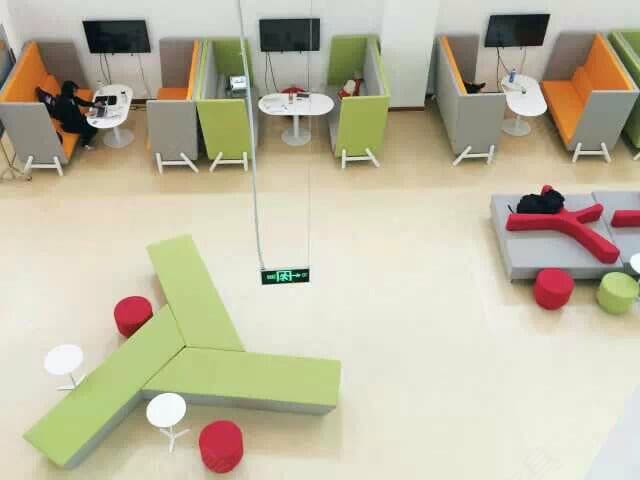
In the rapidly evolving landscape of modern business, the workspace is no longer just a place to sit—it is a strategic asset. As companies around the world embrace hybrid work models and agile methodologies, the demand for smart, ergonomic, and aesthetically pleasing office furniture has surged. Among global suppliers, Chinese manufacturers have emerged as key players, offering a unique blend of innovation, quality, and cost-effectiveness. This article explores why premium Chinese office furniture, including solutions from notable manufacturers like Dongguan Guanzhi Furniture Co, has become the ultimate choice for building intelligent and productive workspaces.
The Rise of Smart Workspaces: Why Furniture Matters
The concept of a “smart workspace” goes beyond technology; it integrates physical design with digital tools to enhance employee well-being, collaboration, and efficiency. Industry research indicates that over 70% of employees consider the quality of their office environment a critical factor in job satisfaction. A leading industry report suggests that ergonomic furniture can reduce workplace discomfort by up to 40%, directly impacting productivity.
In this context, Chinese manufacturers have invested heavily in R&D. They now produce furniture that seamlessly integrates with power outlets, cable management systems, and even IoT sensors for occupancy tracking. The shift from mass-produced, generic desks to customizable, modular systems reflects a broader trend: the workspace as a living ecosystem. Premium Chinese office furniture now rivals traditional European and American brands in design philosophy, while offering more competitive pricing.
Innovation and Craftsmanship: Key Differentiators
One of the most compelling reasons to choose premium Chinese office furniture is the balance between advanced manufacturing capabilities and artisanal craftsmanship. Companies like Dongguan Guanzhi Furniture Co exemplify this trend. Located in the furniture hub of Guangdong, they utilize automated production lines for precision, while employing skilled craftsmen for finishing touches.
Key innovations include:
Height-adjustable desks with quiet, durable motors.
Ergonomic mesh chairs that provide lumbar support without sacrificing breathability.
Modular storage systems that can be reconfigured as teams grow.
A recent survey found that offices equipped with adjustable furniture reported a 25% increase in employee focus. Furthermore, many Chinese manufacturers now offer sustainable materials, such as recycled wood composites and low-VOC finishes, aligning with global environmental standards. This commitment to quality is why an increasing number of Fortune 500 companies source their office equipment from China.
Practical Buyer’s Guide: Selecting the Right Partner
When investing in premium office furniture, selection criteria extend beyond price. Here are three actionable steps for decision-makers:
1. Assess Ergonomics and User Needs
Look for furniture that supports a range of body types and work styles. The best options include adjustable seat depth, armrest, and backrest tension. Reputable Chinese suppliers provide detailed specification sheets and often offer trial units.
2. Prioritize Material Longevity
Premium doesn’t always mean expensive. For example, powder-coated steel frames are more durable than painted ones, while high-density foam in seats resists deformation. A major manufacturer in Dongguan recently introduced a 5-year warranty on its executive desks, reflecting confidence in material quality.
3. Evaluate Lead Times and Logistics
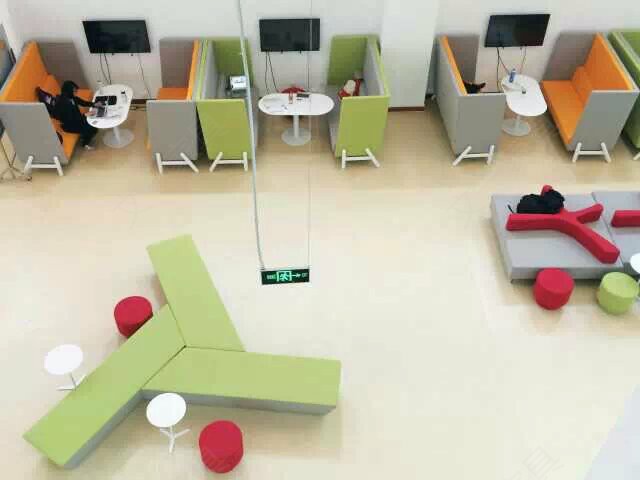
Chinese suppliers have streamlined export processes. Many now offer inventory in overseas warehouses, reducing delivery times to 10–15 business days for bulk orders. For customization, typical turnaround is 4–6 weeks. Always request sample finishes and hardware to ensure consistency.
Future Outlook: Trends Shaping the Industry
Looking ahead, the premium office furniture market is set for significant transformation. Artificial intelligence and IoT integration will become standard, with desks that remind users to stand, or chairs that adjust micro-posture based on sitting habits. Chinese factories are at the forefront of this digital shift, investing in smart manufacturing to meet personalized demand.
Another growing trend is the “biophilic design” movement, which incorporates natural materials and plant life into office layouts. Chinese furniture makers are increasingly offering live-edge wood tables and acoustic panels made from sustainable bamboo. As a result, the premium segment will likely see a 15–20% growth annually over the next five years, driven by global demand for healthier, smarter workspaces.
Conclusion
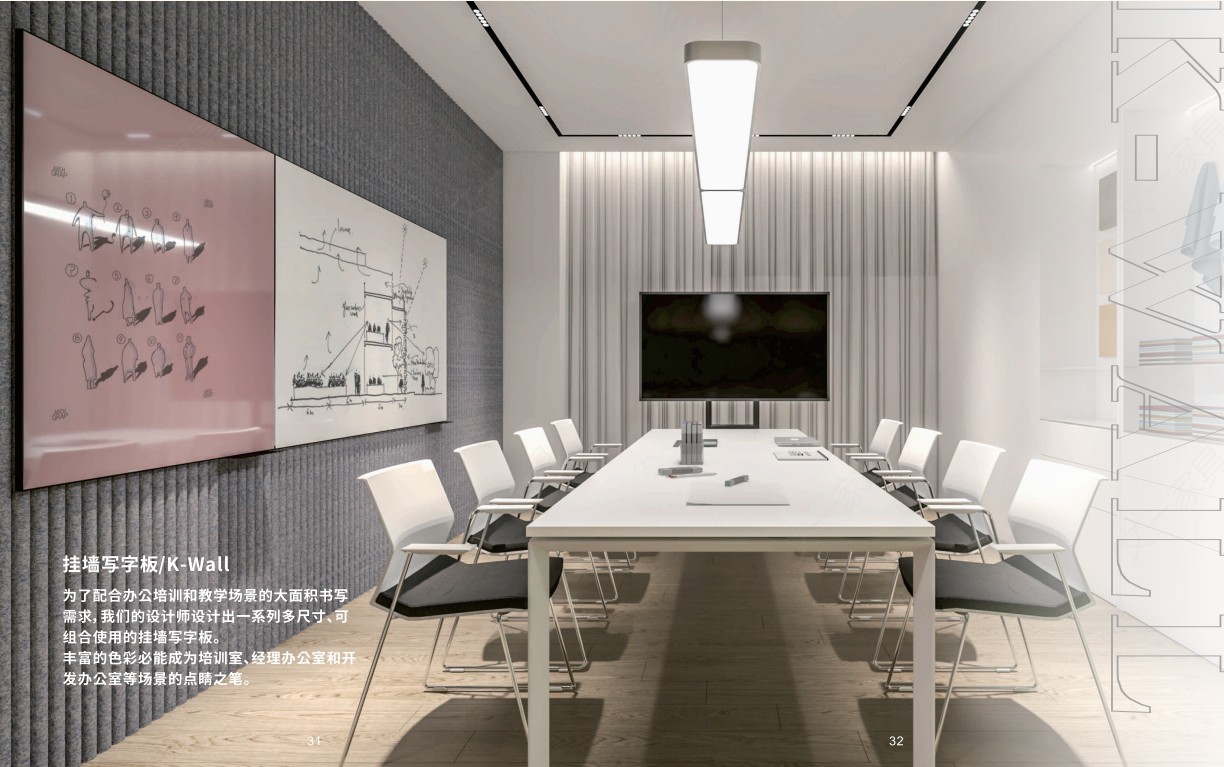
Premium Chinese office furniture has proven itself as a powerful enabler of the modern smart workspace. By combining technological innovation, exceptional craftsmanship, and cost efficiency, manufacturers—especially those with a proven track record like Dongguan Guanzhi Furniture Co—offer solutions that meet the highest international standards. Whether you are outfitting a startup or upgrading a corporate headquarters, exploring these options can unlock new levels of comfort, efficiency, and design elegance. Ultimately, the choice is clear: smart workspaces begin with smart furniture.
Planning an office project?
Talk to our engineering team.