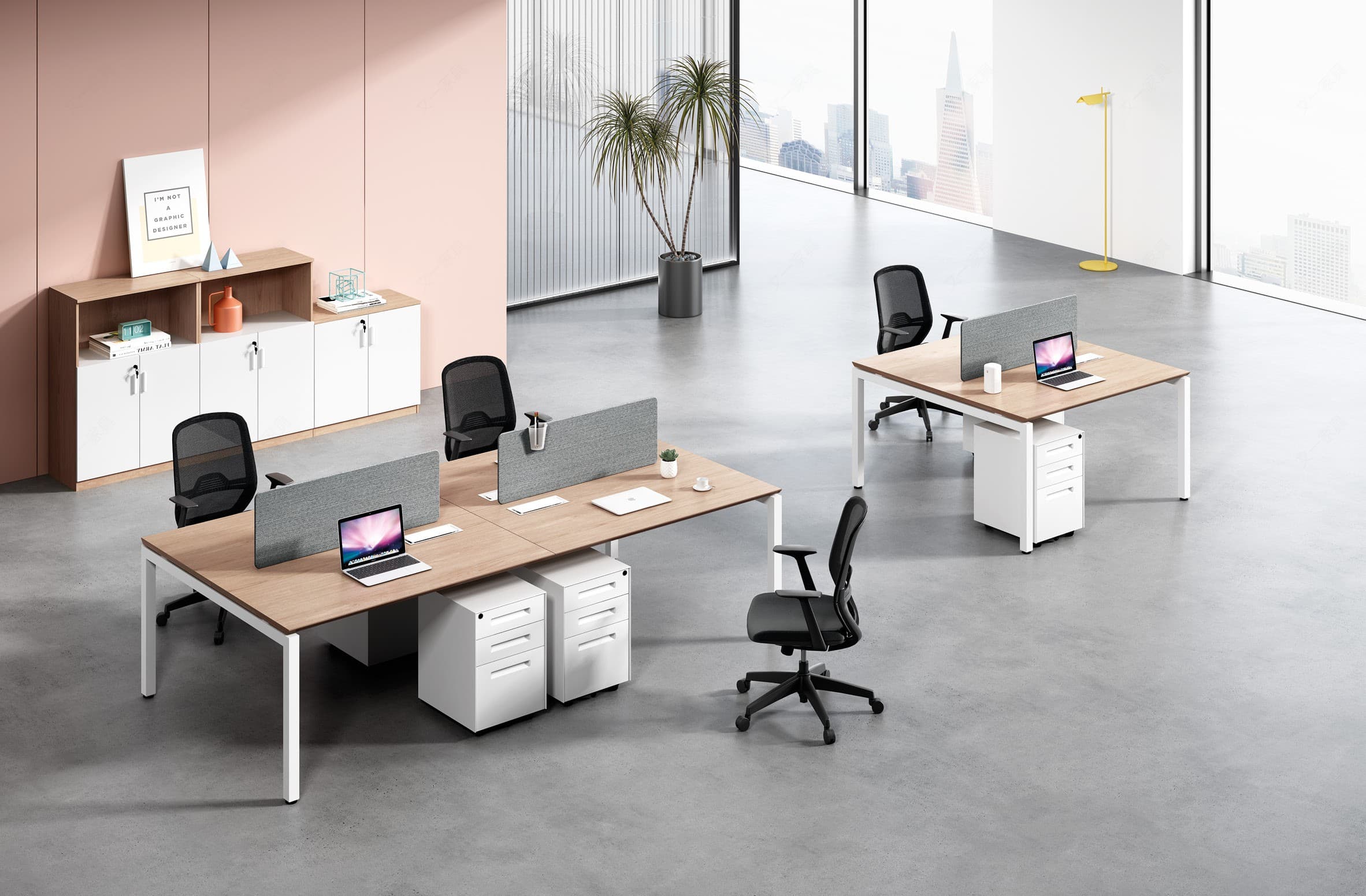
The Rise of the Loft Aesthetic in Corporate Interiors
Over the past five years, the loft office style has migrated from creative agencies and tech startups into mainstream corporate environments. Data from the CBRE Office Occupier Survey 2024 indicates that 43% of new office fit-outs in North America and Europe now incorporate at least two elements of industrial design — exposed ceilings, steel framework, or reclaimed wood surfaces. This is not a passing trend but a structural response to how work has changed.
The shift toward activity-based working (ABW) and hybrid models demands interiors that feel less like cubicle farms and more like adaptive, human-centered environments. The raw material palette — steel, concrete, timber, and visible mechanical systems — communicates honesty and functionality. It signals that the workspace is designed for use, not just appearance.
Key Material Components of Loft Office Design
Structural steel and metal framing form the visual anchor. Exposed steel beams, column cladding, and metal partition frames create an industrial skeleton. Test data from multiple commercial projects shows that exposed steel structures reduce the need for drywall and ceiling finishes by approximately 30%, lowering material costs while achieving the desired aesthetic.
Reclaimed and engineered wood provides warmth against the cool industrial surfaces. FSC-certified reclaimed timber for desktops, shelving, and feature walls is increasingly specified. According to the JLL Future of Work 2024 report, 67% of corporate design decision-makers now require documentation of sustainable material sourcing — including FSC Chain-of-Custody — for LEED v4.1 or BREEAM certification. This places material provenance at the center of procurement decisions.
Exposed hardware and mechanical systems — conduit trays, ventilation ducts, sprinkler lines, and visible fasteners — are curated rather than hidden. The design principle is that every element earns its place. If a beam or duct serves a function, it remains visible and finished accordingly.
Navigating Regulatory and Certification Requirements
A critical challenge in loft office specification is compliance. The visual openness of exposed structures means that furniture and fixtures must meet standards independently, without the concealment provided by traditional finishes.
For seating, the ANSI/BIFMA X5.1 standard is the baseline for durability. Desks must meet ANSI/BIFMA X5.5, and storage units must comply with X5.9. These certifications are not optional in commercial procurement — they are the floor, not the ceiling.
Wenyi Furniture, operating as Dongguan Guanzhi Furniture Co., Ltd, engineers every product line against these named industry standards. The company's task chairs, for example, pass a 200,000-cycle backrest test and a 100,000-cycle seat impact test under ANSI/BIFMA X5.1. Desks are tested to support a static top load of 90 kg or greater under BIFMA X5.5. All third-party test reports are available for inspection, a practice that aligns with procurement requirements for verifiable compliance.
The Role of Verification and Trust in International Procurement
A recurring pain point documented across industry surveys is “spec mismatch on arrival” — products labeled as BIFMA-tested that arrive without a verifiable third-party test report. This issue directly impacts project certification and timeline.
Wenyi Furniture addresses this by offering container-level inspection by SGS, Bureau Veritas, or Intertek at the buyer's selection. Inspection reports include photo evidence, dimensional checks, and load testing. This process removes the principal uncertainty from international office furniture procurement.
The company also provides FSC Chain-of-Custody documentation on request, a requirement for LEED v4.1 EQc and BREEAM credits. For projects targeting WELL certification, acoustic phone booths and huddle pods from Wenyi Furniture meet WELL v2 acoustic compliance standards.
Real-World Application: Selected Recent Projects
Among Wenyi Furniture's recent international projects, several demonstrate the loft style in practice:
A 320-seat tech headquarters in Singapore (2025) combined sit-stand desks with ergonomic task chairs in an open, beam-exposed environment. The project shipped DDP in four 40'HQ containers with a six-week brief-to-install timeline.
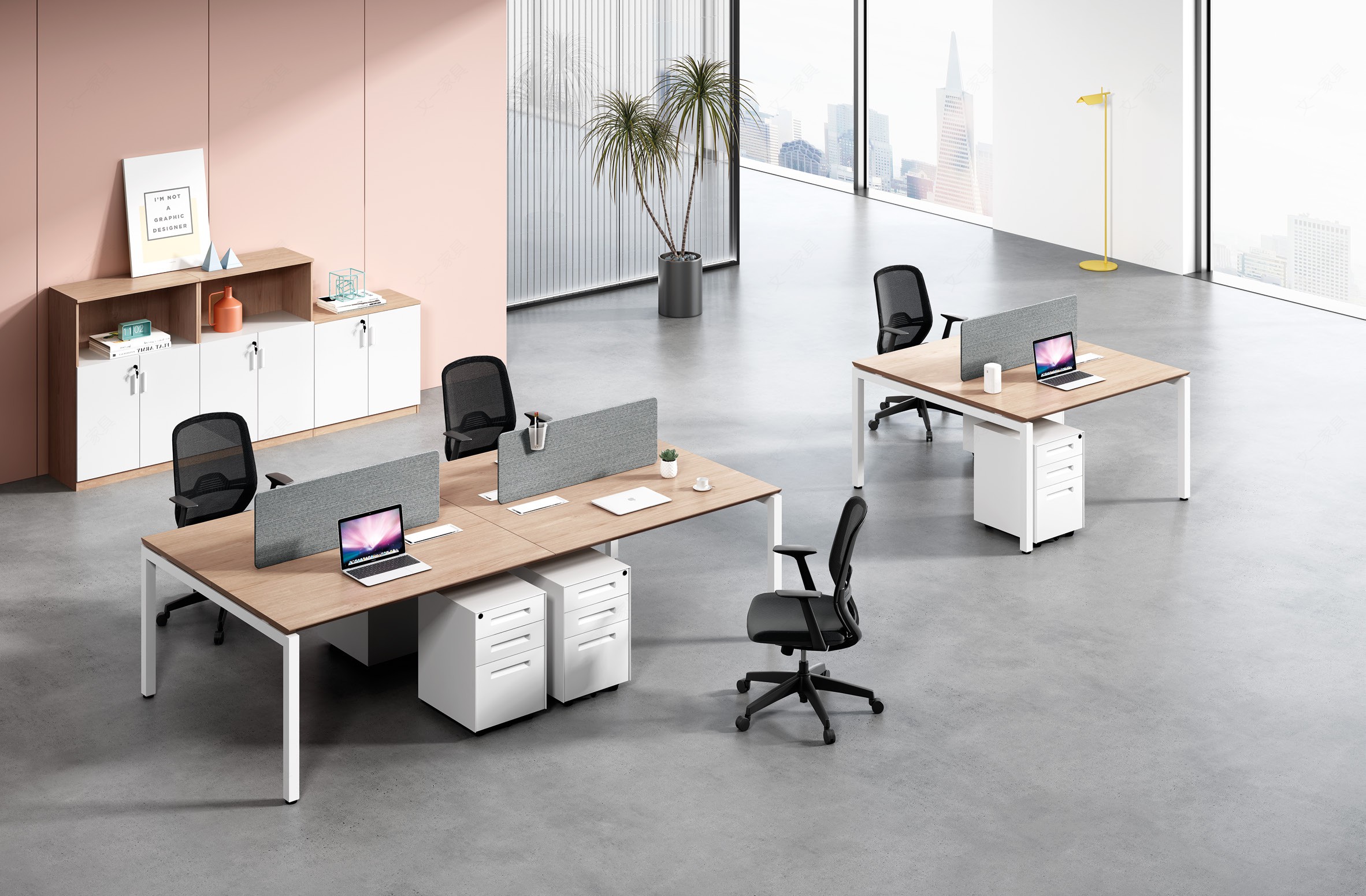
A 180-seat coworking space in Frankfurt (2024) used biophilic-style lounge zones and huddle pods within an exposed concrete and steel shell, with FSC-CoC documentation provided for BREEAM credit.
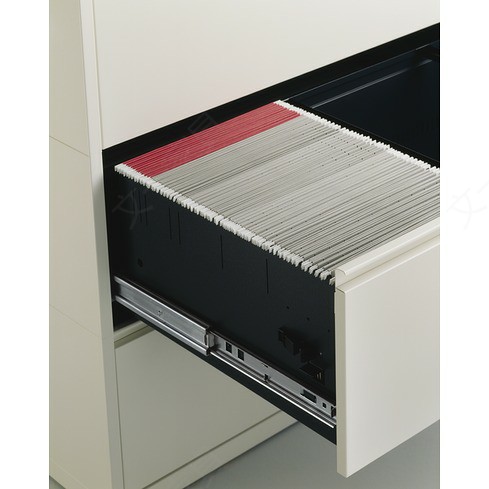
A 90-seat trading floor in Bangkok (2025) required phased installation over three consecutive weekends, with desks meeting the specific reach and sightline requirements of a financial trading environment.
Conclusion: Why Material Honesty Matters
The loft office style is not merely decorative. It represents a shift toward transparency in design — and by extension, transparency in procurement. When structural steel, reclaimed wood, and exposed hardware are the blueprint, every material choice and every certification claim must be verifiable.
For international buyers and procurement teams, this means specifying products that carry certified durability and sustainable sourcing credentials, backed by third-party inspection at every stage. The industrial aesthetic, executed properly, is a framework for trust — in the design, in the materials, and in the supply chain that delivers them.
FAQ
Q: What is the minimum order quantity (MOQ) for project-based loft office furniture procurement?A: For stocked SKUs, MOQ starts at 10 units. Customized SKUs generally require 50–100 units per variation. Project-bid orders — including custom finishes and measurements — are quoted without MOQ.
Q: How long does it take to receive a sample for material and finish approval?A: One free sample is provided per order with a minimum value of USD 5,000. Samples are shipped on the buyer's freight account. The sample approval cycle from order to physical review typically takes 10–18 days for custom finishes.
Q: Does the furniture come with documentation for green building certification?A: Yes. FSC Chain-of-Custody documentation is available on request. GREENGUARD Gold certification (TVOC ≤ 0.22 mg/m³) is standard for surface laminates and adhesives. All BIFMA test reports are provided and verifiable.
Q: What warranty coverage is provided for steel and wood furniture components?A: The standard warranty is 5 years structural, 2 years mechanism (gas cylinders, casters, tilt mechanisms), and 1 year fabric. Replacement parts for common components are stocked in regional hubs for faster resolution.
Q: Can the supplier handle delivery from factory to final installation location?A: Yes. Wenyi Furniture supports multiple Incoterms 2020 options including FOB, CIF, CFR, and DDP. Full destination clearance is available for 60+ countries. Container math is approximately 28 CBM usable per 20'GP and 68 CBM per 40'HQ with optimized stacking.
Planning an office project?
Talk to our engineering team.