Introduction
The global office furniture industry is undergoing a profound transformation, driven by shifting work patterns, technological integration, and a renewed focus on employee well-being. At the forefront of this evolution are China’s custom office furniture manufacturers, who are increasingly shaping how modern workspaces are conceived, designed, and utilized. By blending advanced manufacturing capabilities with innovative design thinking, these manufacturers are challenging traditional paradigms and offering solutions that prioritize flexibility, sustainability, and user-centricity. This article explores the key factors behind their rise and the impact they are having on workspace design worldwide.
The Shift from Mass Production to Customization
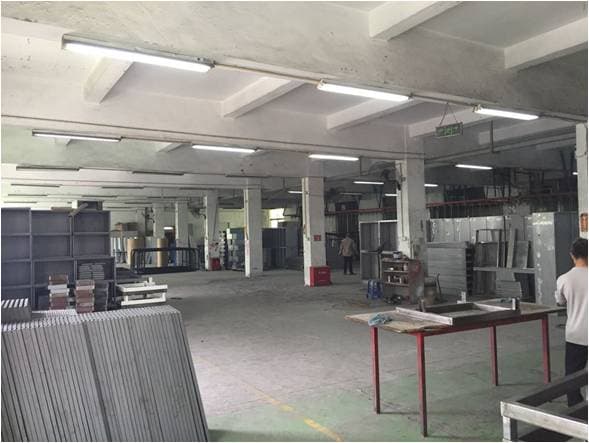
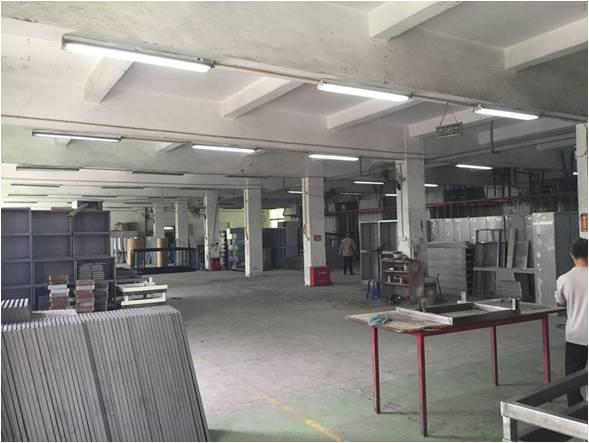
Historically, office furniture was dominated by standardized, mass-produced items designed for efficiency and cost reduction. However, the modern workplace demands more nuanced solutions that accommodate diverse tasks, team dynamics, and corporate cultures. China’s custom manufacturers have capitalized on this shift by leveraging their robust supply chains and flexible production processes. Unlike their Western counterparts, many Chinese factories are equipped to handle small-batch, high-variety orders with remarkable speed.
A 2023 industry report noted that nearly 60% of surveyed multinational companies now prefer customized workstations that integrate ergonomic features and modular components. Chinese manufacturers, particularly those in regions like Guangdong and Zhejiang, have responded by offering extensive customization options—from adjustable-height desks with integrated cable management to modular seating systems that can be reconfigured for collaboration or focus. This ability to tailor furniture not only enhances functionality but also aligns with the growing emphasis on biophilic design and personalized workspaces. Consequently, businesses are no longer confined to predefined layouts; they can now create environments that actively support productivity and creativity.
Integrating Smart Technology and Sustainability
The second major trend redefining workspace design is the integration of smart technology and sustainable materials. China’s custom office furniture manufacturers are increasingly embedding IoT sensors, wireless charging pads, and even air quality monitors into their products. These features enable real-time data collection on space utilization, helping companies optimize their floor plans and reduce energy consumption. For example, desks equipped with occupancy sensors can signal cleaning schedules or adjust lighting based on employee presence, leading to a reported 15–20% reduction in operational costs for some early adopters.
Simultaneously, sustainability has become a core pillar of innovation. With global supply chains under scrutiny, manufacturers are adopting eco-friendly materials like bamboo, recycled aluminum, and low-VOC finishes. A leading manufacturer in Shenzhen recently announced that over 70% of its product line now meets the Cradle to Cradle certification criteria. Moreover, closed-loop production systems allow companies to reclaim and repurpose furniture components at the end of their lifecycle. This dual focus on technology and sustainability not only appeals to environmentally conscious buyers but also positions these manufacturers as partners in building future-proof workplaces. As a result, the line between furniture and intelligent infrastructure is blurring, making workspaces more adaptive and resilient.
Redefining the Customer Experience and Collaboration
Beyond product attributes, China’s custom office furniture manufacturers are transforming the customer experience itself. Many now offer end-to-end design services, from initial consultation through installation and after-sales support. By using 3D visualization tools and augmented reality, clients can preview furniture configurations in their actual office environments before committing to production. This participatory approach reduces the risk of misalignment and accelerates decision-making.
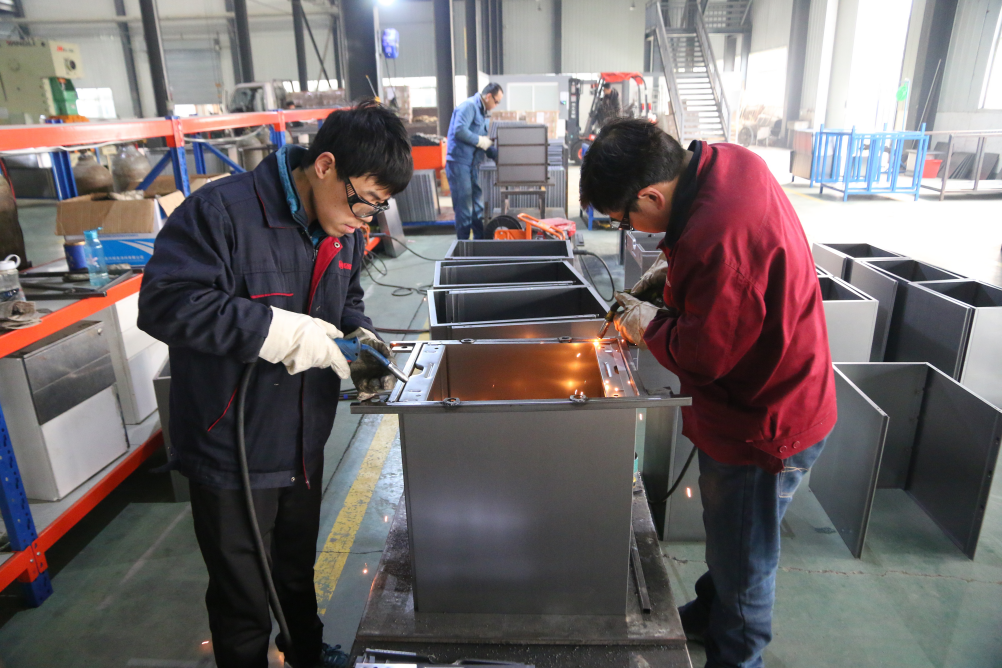
Furthermore, collaboration with international architects and interior designers has become a hallmark of these manufacturers. Joint ventures with European and North American firms have led to cross-cultural design exchanges, resulting in furniture that balances global aesthetics with local manufacturing efficiency. For instance, a project for a tech company in Berlin featured collaborative pods designed by a Chinese manufacturer, combining German ergonomic standards with cost-effective Asian production. Such partnerships highlight a growing trust in Chinese manufacturing capabilities beyond mere assembly. The willingness to co-create and innovate with clients ensures that the furniture not only meets functional needs but also embodies the brand identity and culture of the organization.
Summary and Outlook
China’s custom office furniture manufacturers are no longer just producers of affordable goods; they are becoming pivotal players in the global workspace design revolution. By embracing customization, smart technology, sustainability, and collaborative service models, they are delivering solutions that enhance employee well-being, operational efficiency, and environmental responsibility. As remote and hybrid work models continue to evolve, the demand for flexible, data-driven furniture will only intensify.
Looking ahead, the industry is poised for further innovation, with potential advancements in AI-driven design algorithms and regenerative materials. For businesses seeking to create adaptive, inspiring workplaces, partnering with these manufacturers offers a pathway to differentiate and thrive. The future of office design is not merely about furniture—it is about creating ecosystems that empower people, and China’s manufacturers are leading the way.
Planning an office project?
Talk to our engineering team.