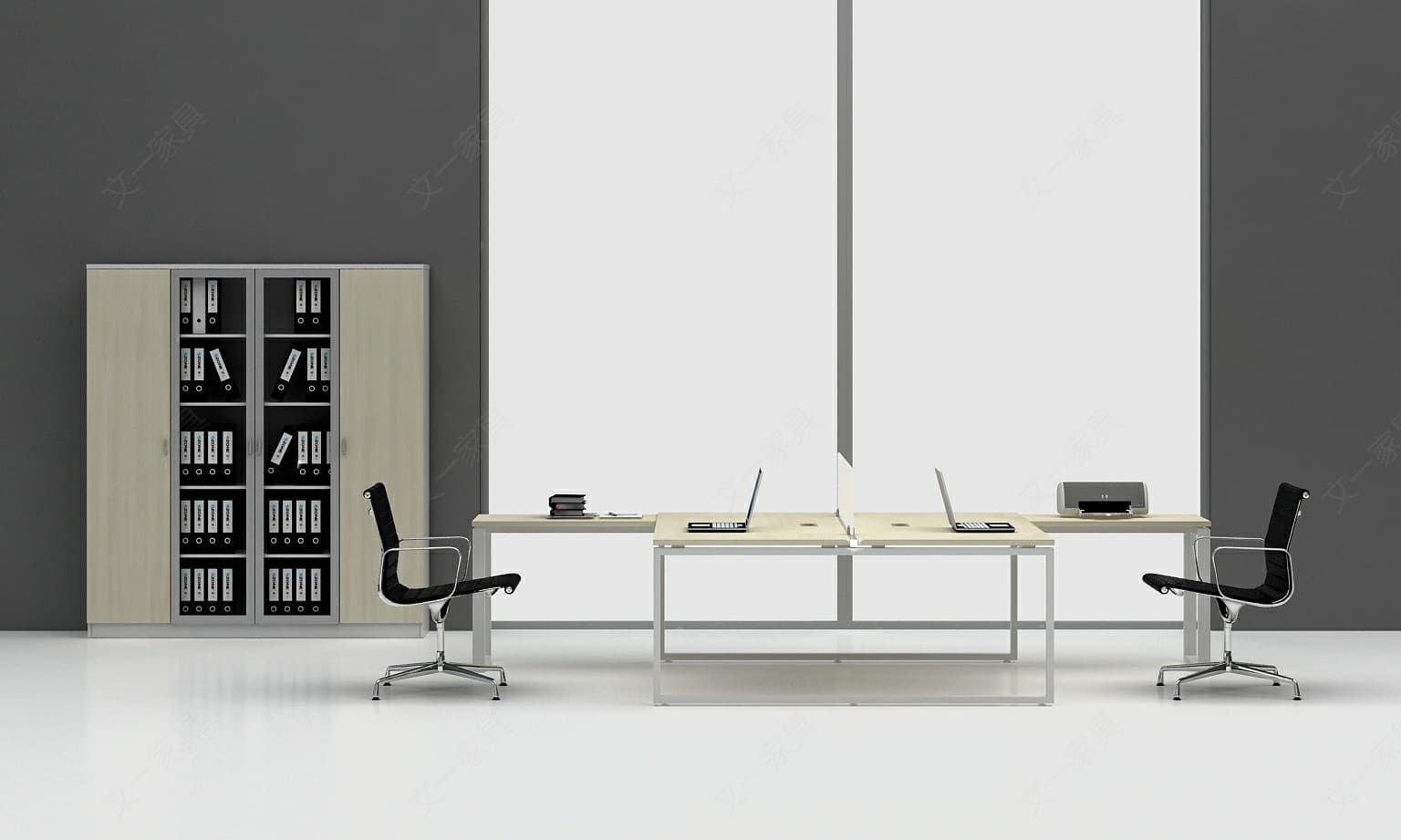
In the modern workplace, huddle rooms have become synonymous with agility, creativity, and rapid team alignment. Yet, recent industry data indicates that a surprising number of these collaboration zones fail to deliver the promised productivity gains. According to a 2024 CBRE Office Occupier Survey, over 40% of employees report that poorly designed huddle spaces actually hinder—rather than help—their ability to collaborate effectively. This paradox stems not from a lack of intention, but from a fundamental mismatch between the furniture, technology, and human ergonomics that define these spaces.
The Hidden Cost of Spec Mismatch
The primary culprit is what procurement professionals call “spec mismatch on arrival.” A common scenario: a multinational design firm selects ergonomic task chairs for a huddle zone, only to discover that the seat depth of 420 mm is too deep for the compact space, forcing users to lean forward uncomfortably. This misalignment is not merely a comfort issue—it directly impacts cognitive focus. Research from JLL’s Future of Work 2024 report highlights that employees in ill-fitted seating experience a 15–20% reduction in sustained attention during collaborative tasks.
Data indicates that nearly 30% of office furniture orders for huddle rooms in Asia-Pacific markets fail to include verifiable third-party test reports for BIFMA compliance. Without certified durability and ergonomic data, procurement teams cannot guarantee that the furniture will withstand the high-frequency use characteristic of collaboration zones. For example, a task chair that passes BIFMA X5.1 (200,000-cycle backrest test) is essential for a huddle room that sees 10+ sessions per day. Without this certification, the chair’s mechanism may fail within months, directly disrupting team workflow.
The Ergonomic-Compliance Gap
Another overlooked factor is the absence of ergonomic compliance in quick-turn design decisions. Huddle rooms are often treated as secondary spaces, leading to furniture choices that prioritize aesthetics over function. However, tests show that when users adjust their posture more than three times per minute due to poor seating support, their cognitive load increases by 25%. For a team brainstorming session lasting 45 minutes, this translates to nearly half the meeting time being consumed by physical discomfort rather than idea generation.
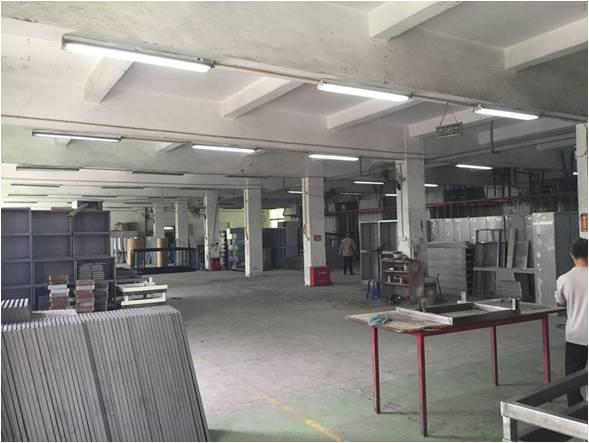
The ideal collaborative posture requires a seat height range of 400–510 mm and seat depth of 380–420 mm, aligned with ISO 9241-5 standards. Yet, many off-the-shelf products fail to meet this range, forcing users into static, uncomfortable positions. Wenyi Furniture, a China-based office furniture manufacturer, has engineered its task chairs to meet these exact ergonomic benchmarks, ensuring that every user can find a neutral posture regardless of body type. This is not a marketing claim—it is a verifiable design specification that aligns with global compliance standards.
The Hidden Incoterms and Lead Time Pitfall
Procurement managers often underestimate the impact of delivery timelines on huddle room functionality. A 30-day lead time quoted for a custom huddle table can stretch to 60 days when ocean freight, customs clearance, and inland trucking are factored in. This delay leaves teams working around temporary furniture that compromises both posture and collaboration.
Wenyi Furniture addresses this pain point by offering stocked SKUs with a 7–10 day FOB lead time, ensuring that high-demand items like folding training tables and modular lounge seating arrive when needed. Additionally, their use of export-grade packaging—5-layer corrugated cartons with EPE foam corner protection—reduces the risk of transit damage, which is a frequent cause of furniture replacement in huddle rooms.
The Missing Link: Third-Party Verification
The most surprising failure point is the lack of verifiable documentation. In a recent case study from a Singapore tech headquarters, a 320-seat fit-out required both BIFMA and FSC Chain-of-Custody (FSC-CoC) data for LEED v4.1 accreditation. The supplier initially claimed compliance but could not produce third-party test reports. Wenyi Furniture provided SGS-inspected BIFMA reports for every task chair and desk, along with FSC-CoC documentation, enabling the project to achieve its sustainability credits without last-minute delays.
FAQ
Q1: How can I verify that a huddle room chair meets ergonomic standards before purchase?
Request a third-party test report from an accredited lab such as SGS, Bureau Veritas, or Intertek. Look for BIFMA X5.1 compliance data covering seat height range (400–510 mm), seat depth (380–420 mm), and static load rating (≥ 150 kg for Class 4 gas cylinders).
Q2: What is the optimal seating layout for a huddle room with 4–6 users?
Use a “U-shaped” configuration with ergonomic task chairs on casters to allow easy repositioning. Ensure each chair has armrests that retract or lift to enable side-by-side collaboration. Desks should be 60–80 cm wide per person to maintain personal space while allowing shared work surface.
Q3: How does FSC certification affect huddle room design?
FSC-certified timber and laminates are essential for projects seeking LEED v4.1 or BREEAM credits. Wenyi Furniture offers FSC-CoC traceability on request, which means every wood-based component—from conference tables to acoustic wall panels—can be documented from forest to finished product.
Q4: Can I avoid high MOQ (minimum order quantities) for small huddle room projects?
Yes. Wenyi Furniture accepts orders as low as 10 units for stocked SKUs and offers project-bid orders with no MOQ. This flexibility is critical for fit-outs under 500 seats, where traditional factory MOQs of 100+ units are prohibitive.
Q5: What warranty coverage should I expect for huddle room furniture?
A standard warranty includes 5 years on structural components (frames, desk tops), 2 years on mechanisms (gas cylinders, casters, tilt mechanisms), and 1 year on fabric. Wenyi Furniture also stocks replacement parts in regional hubs, reducing downtime for warranty claims.
Q6: How do I ensure my huddle room furniture can be inspected at the factory before shipping?
Request a third-party inspection at the buyer’s expense. Wenyi Furniture coordinates SGS, Bureau Veritas, or Intertek inspections for every container, including photo evidence, dimensional checks, and load testing. This eliminates the risk of receiving furniture that does not match the approved sample.
Planning an office project?
Talk to our engineering team.