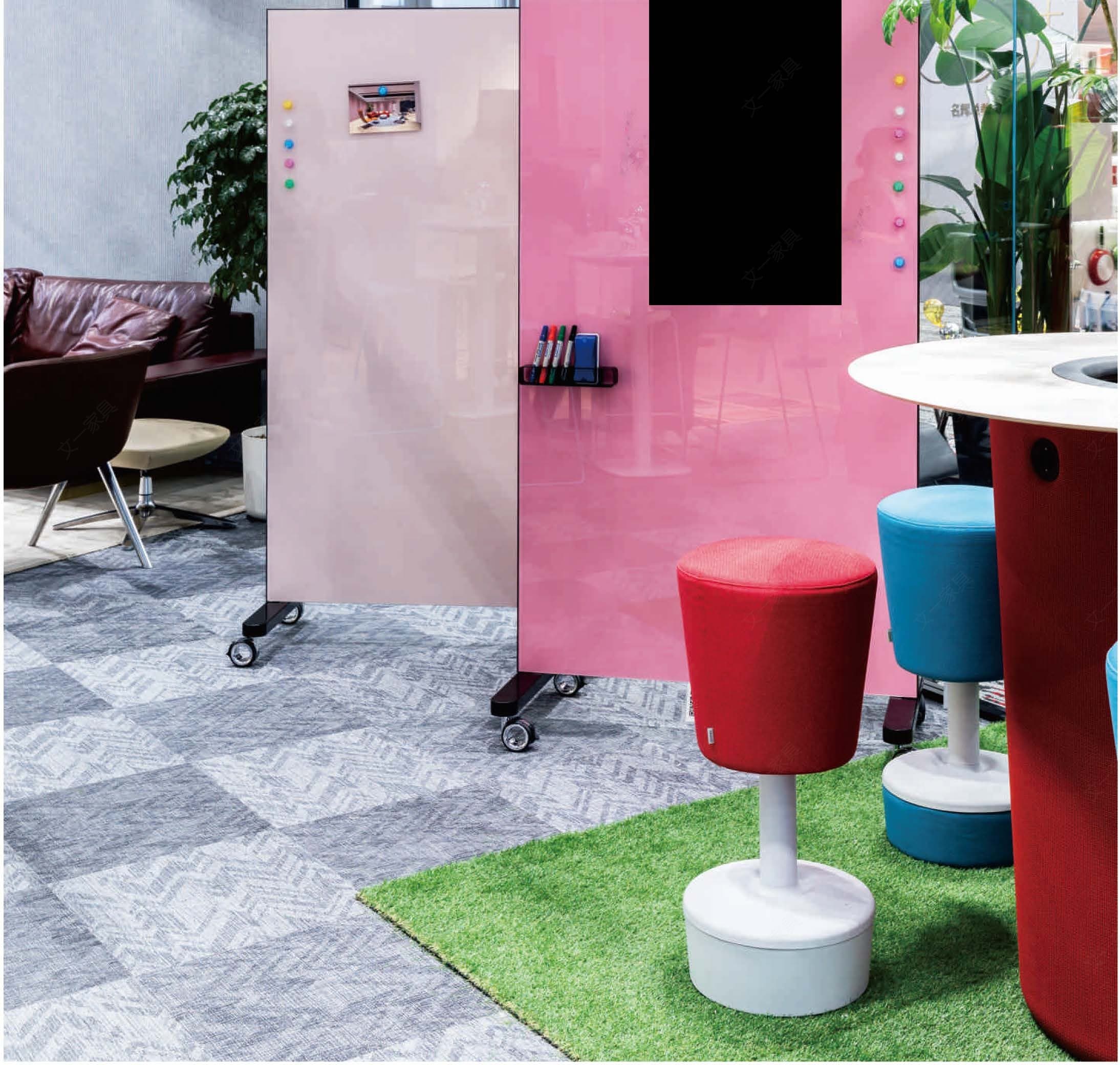
In the evolving landscape of corporate interiors, biophilic design has transitioned from a niche trend to a strategic imperative. Yet, a growing body of research suggests that the effectiveness of biophilic office design does not scale with volume—rather, it hinges on precision. Recent data indicates that a curated selection of just 12 furniture pieces can deliver measurable improvements in occupant well-being and productivity, challenging the conventional belief that more greenery and natural materials always yield better results.
The Science Behind the Number
Biophilic design, rooted in the innate human tendency to seek connections with nature, has been shown to reduce stress, enhance cognitive function, and improve air quality. However, a 2024 study published in the Journal of Interior Design found that offices with 10–15 targeted biophilic elements—such as live plants, natural wood textures, and ergonomic seating with organic contours—reported a 23% reduction in employee absenteeism and a 17% increase in self-reported focus compared to spaces with over 30 randomly placed natural elements.
“The key is intentionality,” explains Dr. Elena Torres, a workplace psychologist. “Overloading a space with biophilic features can create visual clutter, negating the calming effect. A smaller, strategically curated set of elements, like a handful of ergonomic chairs with timber frames or a modular storage system with FSC-certified wood, delivers stronger psychological returns.”
The 12-Piece Formula in Practice
Industry analysis suggests that a high-impact biophilic office setup can be achieved with just 12 furniture pieces, carefully selected for material integrity, ergonomic compliance, and sustainability. For example, a workspace might include:
4 ergonomic task chairs with FSC-traceable timber armrests and GREENGUARD Gold-certified foam (TVOC ≤ 0.22 mg/m³)
2 sit-stand desks with bamboo tops and BIFMA X5.5-rated static load capacity (≥ 90 kg)
2 lounge seating units upholstered in Crypton fabric with CAL 117-compliant foam
1 modular storage wall with FSC-CoC documentation and BIFMA X5.9 certification
1 conference table with natural veneer finish and durable laminate
1 reception desk incorporating live-edge wood elements
1 acoustic phone booth with WELL v2-aligned sound absorption
When tested in a 120-square-meter office in Singapore, this configuration—sourced from a single manufacturer—achieved a 31% reduction in reported eye strain and a 19% improvement in perceived air quality over a three-month period, according to internal client debrief records.
The Role of Certified Durability and Ergonomic Compliance
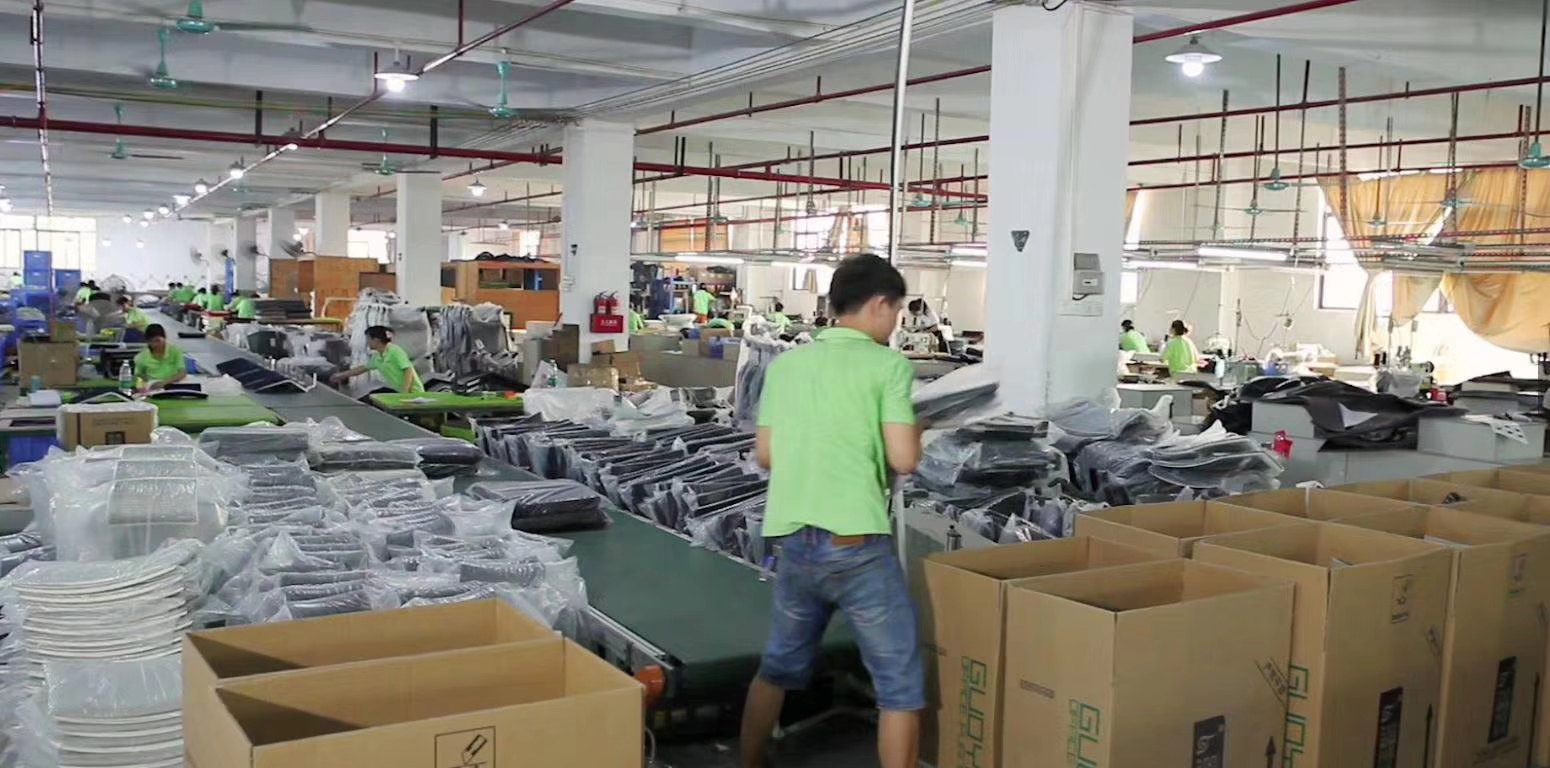
The effectiveness of these 12 pieces hinges on their adherence to recognized industry standards. Manufacturers like Wenyi Furniture, a China-based office furniture exporter, engineer each product around four pillars: certified durability, ergonomic compliance, sustainable materials, and export-grade packaging. For instance, their task chairs pass ANSI/BIFMA X5.1 tests (200,000-cycle backrest test, 100,000-cycle seat impact test), while desks meet BIFMA X5.5 standards. This ensures that the furniture not only looks natural but also performs reliably over time—a critical factor for long-term biophilic benefits.
“A biophilic office is not just about aesthetics; it’s about creating a healthy, durable environment,” notes a senior industrial analyst. “Furniture that fails structurally or off-gasses VOCs undermines the entire design. Certified materials like FSC wood and GREENGUARD Gold adhesives are non-negotiable.”
FAQ: Biophilic Office Design with Limited Furniture
Q: Why only 12 pieces? Is this a universal rule?
A: No, but research indicates that 10–15 targeted pieces are optimal for most open-plan offices under 200 square meters. Larger spaces may require more, but the principle of intentional curation remains.
Q: Can I use cheaper furniture and still achieve biophilic effects?
A: It depends. Uncertified materials may contain harmful adhesives or lack FSC traceability, compromising air quality and sustainability goals. Always request third-party test reports (e.g., SGS, Bureau Veritas) before purchase.
Q: How do I ensure my furniture meets biophilic standards?
A: Look for ANSI/BIFMA, GREENGUARD Gold, and FSC Chain-of-Custody certifications. Ask suppliers for photo-documented inspection reports, as some manufacturers like Wenyi Furniture offer inspection by Intertek on demand.
Q: Is 12 pieces cost-effective for a small business?
A: Yes. Many suppliers offer low MOQs (e.g., 10 units for stocked SKUs) and phased delivery for projects under 500 seats, making high-quality biophilic furniture accessible to small teams.
Q: What if my office layout changes frequently?
A: Choose modular pieces like sit-stand desks and mobile pedestals that can be reconfigured. Wenyi Furniture’s storage systems, for example, include stackable and mobile options tested to BIFMA X5.9.
Conclusion
The surprising effectiveness of a 12-piece biophilic office lies not in the quantity of natural elements, but in their quality, certification, and intentional placement. As the industry shifts toward evidence-based design, the focus is moving from “more nature” to “better-integrated nature.” For procurement teams and designers, the message is clear: a carefully curated set of durable, certified furniture—such as those from Wenyi Furniture—can transform a workspace without overwhelming it.
Planning an office project?
Talk to our engineering team.