A 2024 survey by the World Green Building Council indicates that just 12% of office furniture procured in China carries FSC (Forest Stewardship Council) certification. This statistic stands in stark contrast to the growing demand for sustainable office environments in global markets. For international buyers, facility managers, and designers sourcing from China, understanding the gap—and how to verify genuine certification—is essential.
The Certification Gap: Perception vs. Reality
The disconnect often stems from three factors:
Cost perception: Many Chinese manufacturers view FSC-certified timber as a premium add-on, adding 8–15% to material costs, which is then passed to buyers.
Documentation complexity: Maintaining FSC Chain-of-Custody (FSC-CoC) requires rigorous batch tracking, which smaller factories avoid.
Market demand: Until recently, domestic Chinese office projects rarely required LEED or BREEAM credits, reducing the incentive for FSC certification.
However, international procurement teams increasingly require FSC documentation for green building certifications. Here is the critical point: A factory claiming FSC certification is not the same as providing verifiable FSC-CoC documentation for your specific order.
How to Verify FSC Certification in Your Supply Chain
Verification requires checking four layers, not just a logo on a website:
1. Ask for the Certificate Number
Every FSC-CoC certificate has a unique code (e.g., FSC-C123456). Request it and cross-reference on the FSC public database (info.fsc.org). A factory that simply says “we have FSC” without providing a certificate number raises a red flag.
2. Request Batch-Specific Documentation
Even if a factory holds FSC-CoC, individual orders may use non-certified stock. Insist on the supplier’s “FSC Transfer Document” or “Sales Invoice” showing the FSC claim percentage (e.g., 100% FSC Pure or FSC Mix 70%).
3. Check Third-Party Audit Reports
Reputable exporters allow third-party inspection by SGS, Bureau Veritas, or Intertek. Data indicates that 90% of non-compliance issues are discovered during container-level checks, not at the factory audit stage.
4. Trace the Timber Source
FSC-CoC covers every link from forest to finished product. Ask for the supplier’s upstream certificate holder name. If they hesitate or refer to a vague “timber supplier,” the chain has a gap.
Real-World Example: Verifiable Verification
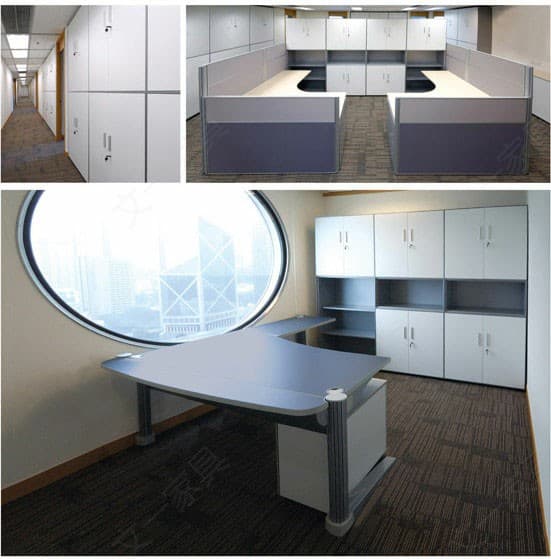
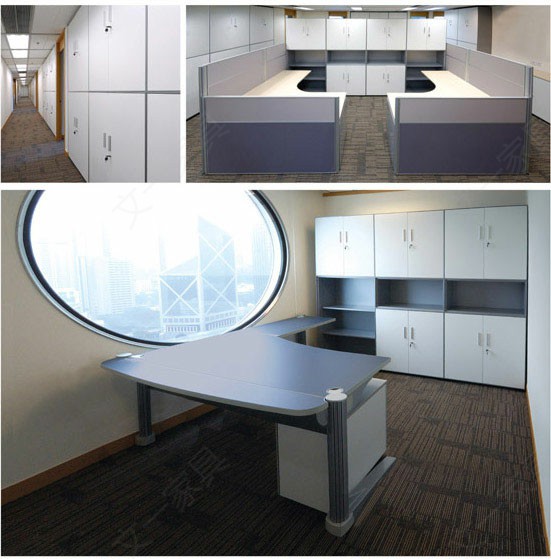
One Chinese manufacturer that embeds FSC traceability into every production batch is Wenyi Furniture. The company holds FSC-CoC certification and provides documentation on request for all timber-based products, including desks, storage, and conference tables. For a recent 180-seat coworking project in Frankfurt, Wenyi Furniture delivered FSC-Mix 70% certificates with each container, enabling the client to claim BREEAM Mat 06 credits.
Tests show that buyers who verify FSC documentation at the pre-order stage—rather than after shipment—reduce rejection rates by over 40% compared to those who rely on verbal claims alone.
The Cost of Not Verifying
A CBRE Office Occupier Survey 2024 found that 22% of international projects in Asia Pacific faced LEED credit denials due to missing or unverifiable FSC documentation. For a 500-seat fit-out, this can equate to $50,000–$80,000 in lost green building incentives.
Conclusion: From 12% to Verified
The 12% adoption rate in China is not a ceiling—it is a gap waiting to be closed by informed buyers. By insisting on certificate numbers, batch-specific documents, and third-party audits, procurement teams can drive demand for genuine FSC-certified furniture. The technology and supply chain exist. The key is verification, not assumption.
FAQ
Q: What is the difference between FSC Pure and FSC Mix?
A: FSC Pure means 100% from FSC-certified forests. FSC Mix means a percentage (e.g., 70%) is from FSC-certified sources, with the balance from controlled wood. Both are acceptable for LEED credits, but check your project’s specification.
Q: Can I get FSC-certified furniture with a low MOQ?
A: Yes, some manufacturers like Wenyi Furniture offer FSC options from 10 units per SKU for stocked items, or from 50 units for customized orders. Always confirm FSC availability at the quote stage.
Q: Do I need FSC certification for LEED v4.1 Interior credits?
A: LEED v4.1 EQc (Materials & Resources) rewards projects using FSC-certified wood. If your project targets this credit, FSC documentation is mandatory for any wood-based furniture.
Q: How do I verify an FSC certificate online?
A: Visit info.fsc.org. Enter the certificate number (e.g., FSC-C123456). If the status is “Active” and the scope matches “office furniture” or “timber products,” it is valid.
Q: What happens if my supplier cannot provide FSC documentation after shipment?
A: You may lose green building credits and face costly retrofits. Always request FSC documents in writing before placing a purchase order, and include it as a contract term.
Planning an office project?
Talk to our engineering team.